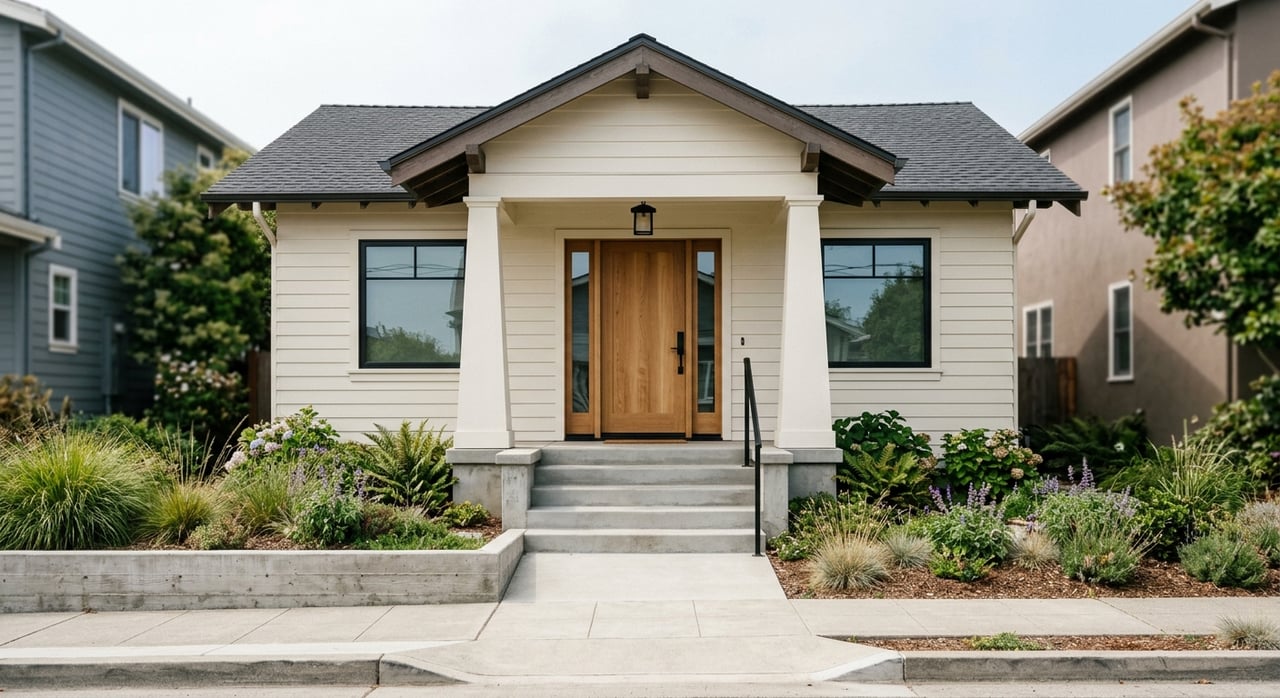
Buying a home in Hayward can feel like trying to board a moving train. Homes here often sell quickly, and the best listings may attract multiple offers within days. The good news is that if you understand the process before you start, you can move with more confidence, protect your budget, and make smarter decisions. Let’s break down a practical game plan you can actually use.
Start With Your Budget
Before you tour homes or fall for a kitchen on your feed, get clear on what you can comfortably afford. In Hayward, that matters even more because home prices remain high, with Redfin reporting a median sale price of $865,000 in March 2026 and Zillow showing a typical home value of $848,427 around the same time.
Your budget should include more than the purchase price. According to the Consumer Financial Protection Bureau, some buyers may be able to start with as little as 3% down, while the California Department of Real Estate says many buyers should expect around 5% to 20% down plus closing costs. The CFPB also notes that closing costs often run about 2% to 5% of the purchase price.
If you are aiming for 20% down, that can help you avoid mortgage insurance in many cases. But a smaller down payment is still common, especially in higher-cost markets. The key is knowing your full cash picture early so you are not surprised later.
Look Into Assistance Programs
If you are a first-time buyer, it is worth exploring local and state support. Alameda County’s AC Boost program says qualifying first-time buyers may receive up to $210,000 if they live or work in the county or were displaced from it within the last ten years.
California also offers help through CalHFA’s MyHome program, which can provide a deferred junior loan up to the lesser of 3.5% of the purchase price or appraised value. For first-time buyers using CalHFA programs, homebuyer education and counseling are required, which can also help you feel more prepared.
Get Preapproved Early
In a fast-moving market, preapproval is part of your foundation. Redfin describes Hayward as a highly competitive market, with homes averaging 3 offers and many going pending in about 15 days. Some hot homes can go pending in around 9 days.
That means you do not want to wait until you find the perfect place to start talking to lenders. A preapproval helps you understand your likely price range and shows sellers that you are serious.
Compare Loans Carefully
Preapproval is helpful, but it is not the same as choosing the best lender. The CFPB recommends that you avoid locking into one lender too early and compare official Loan Estimates after you have an accepted offer.
Loan structure matters in Alameda County because the 2026 one-unit conforming loan limit is $1,249,125. Depending on your price point, down payment, and financing plan, that limit may shape whether you are looking at a conforming or jumbo loan.
Scout Hayward By Area
One of the biggest mistakes buyers make is treating Hayward like one uniform market. It is better to compare areas based on your day-to-day life and the kind of home search you want to run.
Hayward offers a strong mix of access and outdoor space. The city highlights two BART stations, 11 AC Transit bus lines, Amtrak service, more than 3,000 acres of parks and open space, and 20 miles of trails. Those factors can shape commute time, weekend routines, and long-term fit.
The city is also investing in its urban core through planning efforts like the Downtown Specific Plan and Safe Streets Downtown work around the Loop. That is one more reason to look at Hayward block by block instead of assuming every area offers the same experience.
What To Compare On Tours
As you narrow your search, compare each option with the same checklist. The California Department of Real Estate recommends looking at location factors like proximity to stores, hospitals, work, schools, and fire or police services, along with monthly cost items such as assessments or HOA dues.
A smart Hayward-specific checklist includes:
- Commute pattern to work or regular destinations
- Access to BART, bus routes, or freeway connections
- Nearby parks, trails, and open space
- Condo or townhome HOA dues
- Whether the home has a flatter setting or hillside feel
- Any special taxes or assessments that affect monthly payments
Move Fast, But Stay Organized
Once you start touring seriously, your pace may need to pick up. In Hayward, Zillow reported homes going pending in about 18 days, while Redfin reported an average of 15 days. That is enough time to act thoughtfully, but not enough time to start from scratch on each listing.
This is where a step-by-step system helps. A practical sequence is:
- Initial buyer consultation
- Budget review
- Preapproval
- Neighborhood and property scouting
- Disclosure review
- Inspections as needed
- Offer strategy
- Escrow
- Closing
When this sequence is clear, you can stay calm even when the market feels busy.
Read Disclosures Carefully
California homebuying comes with paperwork, and that paperwork matters. The Department of Real Estate says buyers may receive documents such as the Transfer Disclosure Statement, the Agency Relationship Disclosure, financing disclosures, and in some situations a public report.
You do not need to know every form before day one, but you do need to read everything carefully before committing. If something is unclear, ask questions. This is one of the biggest ways you protect yourself.
Watch For Hazard Disclosures
In the East Bay, natural hazard information is especially important. The California Geological Survey says sellers must disclose if a property is located in a mapped Seismic Hazard Zone, and California’s Natural Hazards Disclosure rules also cover other mapped hazard areas, including earthquake fault zones.
For homes built before 1978, federal law also requires lead-based paint disclosure. Sellers and agents must provide the lead pamphlet, disclose known hazards, and give buyers a 10-day opportunity to inspect for lead unless both parties agree otherwise in writing.
Write A Competitive Offer
A strong offer is not always the highest number on paper. It is the offer that fits your budget, reflects the market, and includes terms you can actually support.
The Department of Real Estate recommends including the contingencies you need, such as financing, repairs, pest control, inspections, or home warranty coverage. It also advises buyers not to leave blanks in the contract and not to hand over cash deposits.
Know What Competition Looks Like
In Hayward, multiple-offer situations are common. Redfin notes that some hot homes can sell for about 6% above list price. That does not mean every listing will go that high, but it does mean you need realistic expectations and a clear ceiling before you submit.
The goal is not to win at any cost. The goal is to submit an offer that gives you a real shot while still protecting your financial comfort zone and your needed contingencies.
Understand Escrow And Closing
After your offer is accepted, the transaction moves into escrow. In California, escrow is handled by a neutral third party that helps make sure the contract terms are completed and the deed is properly recorded.
The Department of Financial Protection and Innovation explains that California escrow agents are either licensed or controlled escrow companies. During this stage, your lender, escrow company, title professionals, and agent all work together to move the deal toward closing.
Review Your Final Numbers
As closing gets closer, compare your final figures carefully. The CFPB’s guidance says you should check your Closing Disclosure against your Loan Estimate and verify the loan amount, interest rate, monthly payment, closing costs, cash to close, and escrowed taxes and insurance.
This is your final chance to spot changes, ask questions, and make sure the deal still matches what you agreed to.
Why Guidance Matters In Hayward
Buying in Hayward is doable, but it works best when you have a clear plan and someone helping you stay one step ahead. In a market where homes can move in two to three weeks, details like timing, disclosure review, neighborhood comparison, and offer structure can have a real impact on your outcome.
A detail-oriented agent helps you sequence the process, compare options without overwhelm, coordinate with lenders and inspectors, and stay grounded in your numbers. If you want a calm, practical guide for your next move, Raymond Rosales can help you map out the smartest next steps for Hayward and the broader East Bay.
FAQs
What is the first step in buying a home in Hayward?
- The first step is usually reviewing your budget and talking with a lender so you know your price range, cash needs, and likely monthly payment before you start touring homes.
How competitive is the Hayward home market for buyers?
- Hayward is a competitive market, with Redfin reporting multiple offers on average, about 15 days on market, and some hot homes going pending in around 9 days.
How much down payment do you need to buy a home in Hayward?
- Down payment needs vary by loan type and buyer profile, but CFPB says some buyers may qualify with as little as 3% down, while DRE notes many buyers should expect around 5% to 20% down plus closing costs.
Are there homebuyer assistance programs for Hayward buyers?
- Yes. Qualifying first-time buyers may be eligible for Alameda County’s AC Boost program or California programs like CalHFA MyHome, depending on their situation and program requirements.
What disclosures should buyers expect in a Hayward home purchase?
- Buyers should expect California disclosure forms such as the Transfer Disclosure Statement and Agency Relationship Disclosure, and some properties may also involve hazard disclosures or lead-based paint disclosure for pre-1978 homes.
What should you review before closing on a Hayward home?
- Before closing, review your Closing Disclosure carefully and compare it to your Loan Estimate, paying close attention to the loan terms, monthly payment, closing costs, and total cash needed to close.