Wondering how much work your San Leandro home really needs before it hits the market? If you are thinking about selling, it is easy to feel stuck between doing too little and spending too much. The good news is that in San Leandro, the smartest prep is usually practical, visible, and budget-conscious. Let’s walk through how to get your home market-ready without losing time, money, or momentum.
Why prep matters in San Leandro
San Leandro is an active East Bay market, but not every home moves at the same pace. Recent data shows homes selling quickly citywide, with median days on market ranging from 17 to 27 depending on the source, and sale outcomes often near or above list price.
That said, neighborhood timing is not uniform. Realtor.com reports median days on market of 53 in Downtown San Leandro, compared with 28 in Broadmoor and 31 in Washington Manor. That gap is a reminder that presentation and pricing discipline can make a real difference, especially in slower pockets.
Your first showing also tends to happen online, not at the front door. In San Leandro, 96.1% of households report a computer and 93.4% report broadband access, which reinforces how digital-first buyers are likely to be when they start their search.
Focus on polish, not a full remodel
If you are preparing to sell, you do not usually need a major renovation to make a strong impression. The most useful updates tend to be visible improvements that help your home feel clean, cared for, and easy to picture living in.
Research on seller prep points to a simple strategy: remove friction instead of overbuilding. Fresh paint, updated fixtures, lawn care, and other lower-lift improvements often make more sense than large remodeling projects right before listing.
NAR remodeling guidance also highlights high-return projects like garage door replacement and steel entry-door replacement. If your home has an obvious exterior issue, those kinds of improvements may be worth considering, but for most sellers the better path is still polish over renovation.
Start with decluttering and deep cleaning
Before you think about staging, start with the basics. NAR’s 2025 staging data found that 91% of sellers’ agents recommended decluttering, 88% recommended cleaning the entire home, and 77% recommended improving curb appeal.
That order makes sense because clutter competes with your home’s best features. When buyers scroll photos or walk through in person, they notice space, light, layout, and condition. They do not need to see your storage challenges, personal collections, or overfilled countertops.
A strong pre-list cleaning plan usually includes:
- Clearing countertops, shelves, and entry areas
- Removing excess furniture that makes rooms feel tight
- Cleaning windows, floors, baseboards, and light fixtures
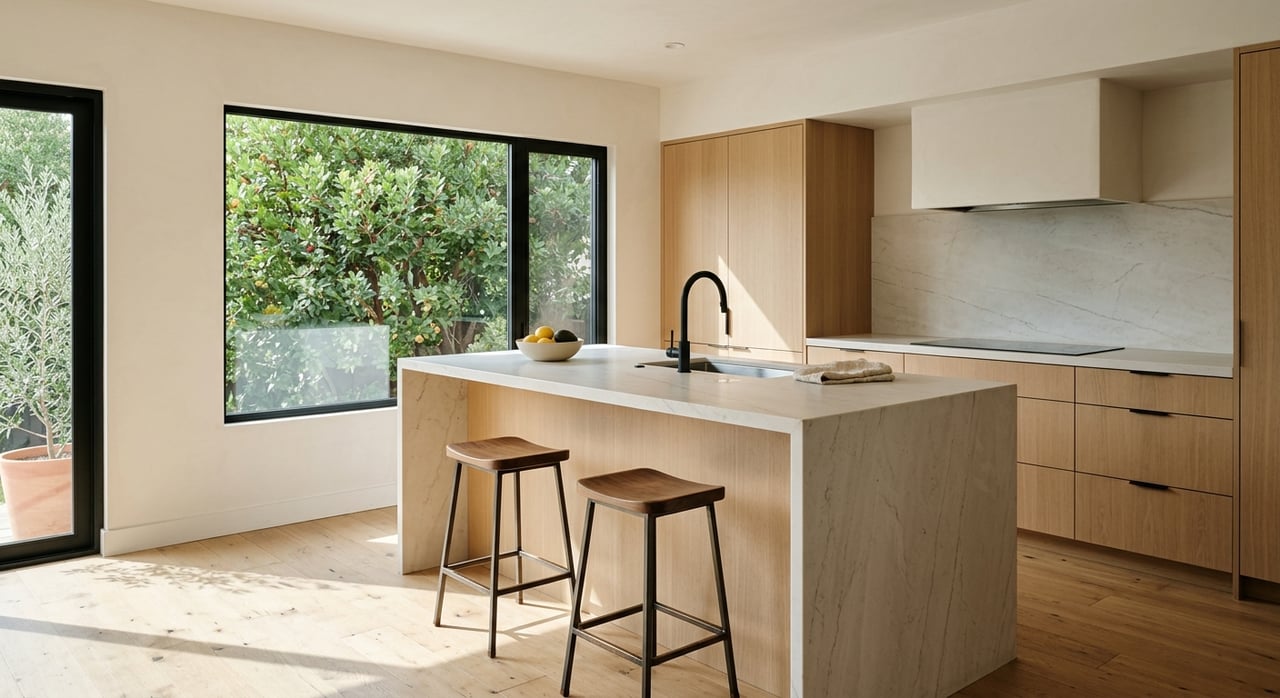
- Refreshing kitchens and bathrooms so they feel bright and cared for
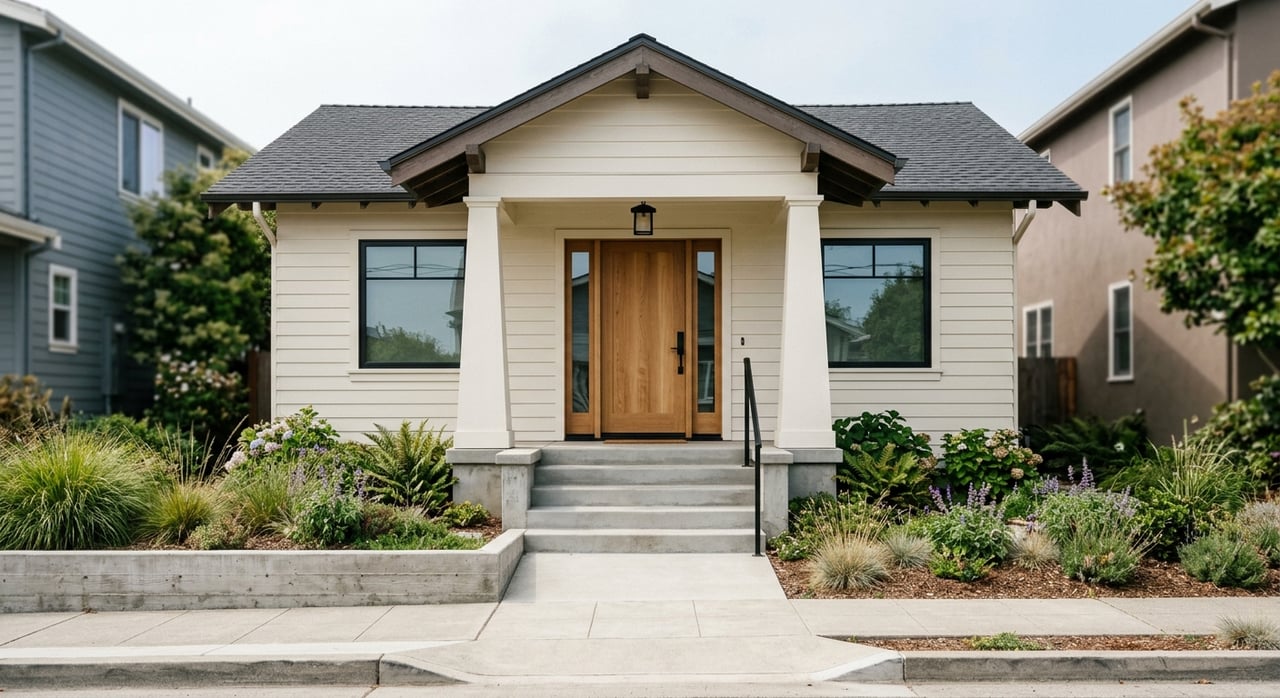
- Tidying the front yard, porch, and entry path
If you only do a few things before listing, decluttering and deep cleaning should be near the top of the list.
Stage the rooms buyers remember most
Staging does not have to mean turning your home into a showroom. In many cases, a light and thoughtful approach is enough.
NAR defines staging as cleaning, decluttering, repairing, depersonalizing, and updating the home so buyers can imagine it as their own. In its 2025 survey, 83% of buyers’ agents said staging made it easier for buyers to visualize a home as a future home, and 49% of sellers’ agents said staging reduced time on market.
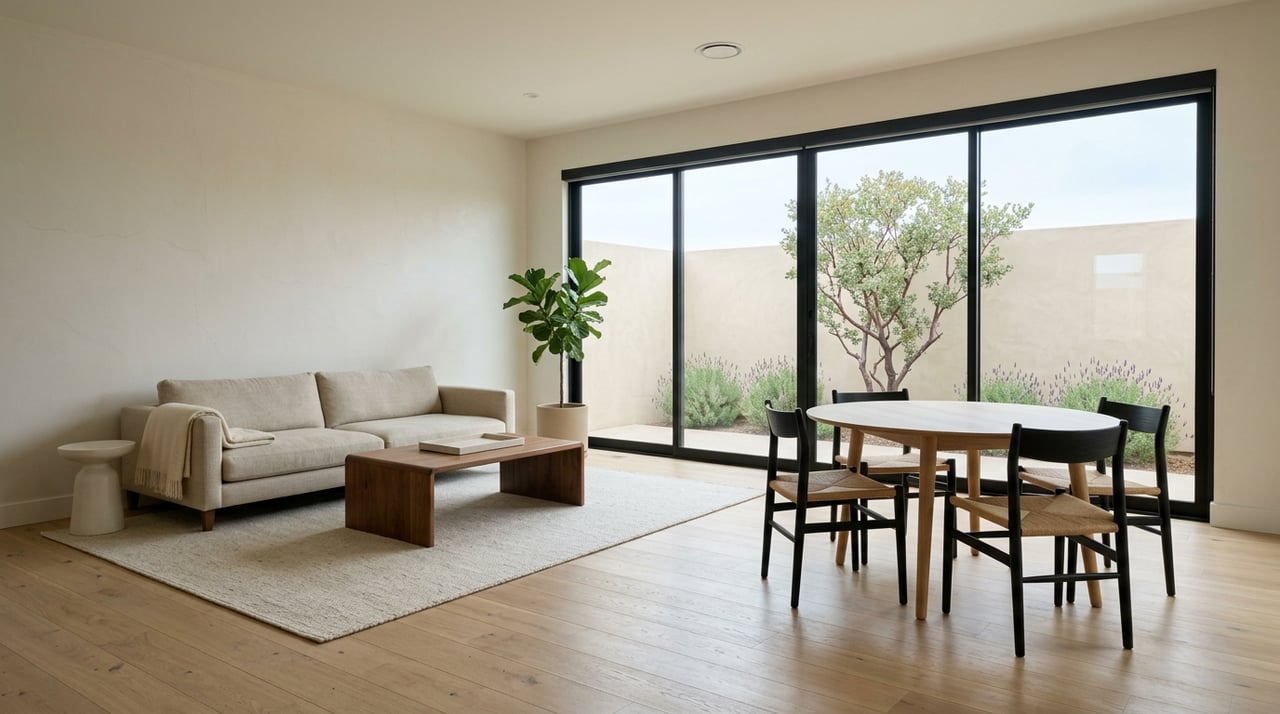
The same research shows the most important rooms to focus on are the living room, primary bedroom, dining room, and kitchen. That is useful because it gives you a realistic priority list instead of asking you to stage every corner of the house.
For many San Leandro sellers, the best approach is:
- Declutter every room
- Deep clean the entire home
- Lightly stage the rooms that carry the most buyer attention
- Keep the style simple, neutral, and consistent in photos
A full staging package is not always necessary. NAR found that only 21% of sellers’ agents staged all listings, while 51% usually recommended decluttering or correcting property faults instead. If you are weighing cost, that is a helpful reminder that targeted prep often goes a long way.
Make a realistic prep budget
One reason sellers delay listing prep is fear that it will spiral into a huge expense. Usually, it does not need to.
If you are considering staging support, NAR reported a median staging-service cost of $1,500 when the seller’s agent handled staging. That gives you a useful reference point, whether you are deciding between a consultation, partial staging, or a more complete setup.
A simple prep budget may include:
- Cleaning
- Paint touch-ups
- Minor repairs
- Landscaping or yard cleanup
- Light staging or a staging consultation
- Professional photography after the home is fully ready
The key is to spend where buyers will see and feel the difference.
Handle repairs before buyers spot them
Cosmetic prep matters, but so does condition. If buyers notice obvious issues during showings, they may start to wonder what else has been overlooked.
That does not mean you need to fix everything. It does mean it is smart to address visible, practical issues that can distract from the home or become negotiation points later.
Before listing, it helps to check items like:
- Leaky faucets or running toilets
- Loose handles, hinges, or railings
- Burned-out light bulbs
- Cracked outlet covers or switch plates
- Damaged caulking around tubs and sinks
- Sticking doors or windows
- Obvious safety items, including water-heater bracing or anchoring if needed
California Department of Real Estate materials also note the importance of a reasonably competent and diligent visual inspection by agents, with disclosure of material facts that affect value or desirability. That makes early repair review especially useful before photos, showings, and buyer questions begin.
Consider a pre-list inspection early
A pre-list inspection is optional, but it can be helpful in the right situation. If your home has older systems, visible wear, or issues you think a buyer’s inspector is likely to flag, getting information upfront can help you prepare.
NAR’s consumer guidance says sellers may choose a pre-list inspection to gain more control over repairs and to be better prepared for conversations with buyers. In practice, that can reduce surprises and help you make clearer decisions before the home is under contract.
This step is not necessary for every seller. But if your goal is a smoother listing process, it can be worth discussing early.
Get disclosure paperwork moving sooner
In California, disclosure timing matters. Civil Code Section 1102.3 requires the seller of a single-family property to deliver the completed disclosure statement as soon as practicable before transfer of title.
That matters because if a required disclosure or material amendment shows up after an offer is already executed, the buyer may have a termination right within 3 days if delivered in person or 5 days if delivered by mail or electronic record. In other words, late disclosures can create avoidable friction.
Natural hazard disclosures are another important part of prep. California rules cover specific hazard categories when applicable, including flood, inundation, very high fire hazard severity zones, earthquake fault zones, seismic hazard zones, and wildland fire areas.
If your home was built before 1978, there is also a lead-disclosure layer. Sellers must disclose known lead hazards, provide the EPA pamphlet, and give the buyer a 10-day opportunity to test for lead-based paint or hazards unless the timing is changed by agreement.
The practical takeaway is simple: your prep plan should include paperwork, not just paint and pillows.
Time photos for your best first impression
Once your home is cleaned, repaired, and lightly staged, that is when photography should happen. Taking photos too early can weaken your launch and make your listing feel less polished than it really is.
This matters because buyers rely heavily on online presentation. NAR’s 2024 profile says all buyers used the internet during their search, 43% first looked for properties online, and 41% found photos very useful.
The same body of research shows that buyers’ agents view listing photos as especially important, with videos and virtual tours also playing a role. Strong visuals do more than make your home look nice. They help motivate buyers to schedule the in-person showing.
In a market like San Leandro, where digital access is high and buyers often move quickly, your online launch is part of your sales strategy.
A practical San Leandro prep checklist
If you want a simple plan, here is a strong order of operations for preparing your San Leandro home for market:
- Walk the home with a critical eye
- Declutter room by room
- Deep clean the full property
- Tackle visible minor repairs
- Refresh curb appeal
- Stage the living room, primary bedroom, dining room, and kitchen
- Review whether a pre-list inspection makes sense
- Organize disclosures early
- Schedule photos only after the home is fully ready
- Launch with a pricing and marketing plan built for your specific San Leandro pocket
That last step matters because San Leandro is not one single micro-market. A strategy that works in one part of the city may need adjustment in another.
The goal is a smoother sale
Preparing your home for market is not about perfection. It is about helping buyers see the home clearly, reducing avoidable objections, and setting up a clean launch from day one.
In San Leandro, where demand is active but neighborhood pace can vary, smart prep gives you a better chance to attract serious interest quickly. Most of the time, that means practical improvements, strong disclosure preparation, and a digital-first presentation that matches what buyers will actually experience in person.
If you are thinking about selling in San Leandro and want a calm, strategic plan for what to do first, connect with Raymond Rosales. You will get straightforward guidance on timing, prep priorities, and the smartest next steps for your home.
FAQs
What should sellers fix before listing a home in San Leandro?
- Sellers in San Leandro should usually focus on visible issues first, such as leaks, damaged caulking, loose hardware, sticking doors or windows, burned-out bulbs, and basic safety items that could distract buyers or raise questions.
Is staging worth it for a San Leandro home sale?
- Staging can be worthwhile, especially in key areas like the living room, primary bedroom, dining room, and kitchen, because research shows it helps buyers picture the home and may reduce time on market.
Do San Leandro sellers need a pre-list inspection?
- A pre-list inspection is optional, but it can be helpful if your home has older systems, visible wear, or issues that may come up during a buyer’s inspection later.
When should California sellers complete disclosures?
- California sellers should complete required disclosures as soon as practicable before transfer of title, because late disclosures can create delays and may give buyers a short window to cancel after contract.
How important are listing photos for selling a home in San Leandro?
- Listing photos are extremely important because buyers search online first, and strong photos can increase interest and help turn online views into in-person showings.