If you are thinking about selling in Alameda, confidence does not come from guessing. It comes from knowing your numbers, understanding your disclosures, and launching with a clear plan. In a market where homes can move fast and buyers notice details quickly, the right prep can help you protect your value and reduce stress. Let’s dive in.
Understand Alameda’s market now
Alameda remains a competitive market, even with some price softening compared with last year. Public spring 2026 data show homes selling in about 17 days on Redfin, with about 2 offers on average and a 106.0% sale-to-list ratio. Realtor.com’s March 2026 snapshot also showed a 107% sale-to-list ratio and 27 median days on market.
That tells you something important as a seller. Buyers are still active, but pricing and presentation need to be sharp from day one. A strong outcome is still possible, but it is less about broad Bay Area headlines and more about how your home compares with similar homes in Alameda right now.
Nearby markets are also moving differently. Oakland and Hayward posted year-over-year price declines, while Berkeley showed price growth, which reinforces the value of neighborhood-level comparable sales instead of relying on countywide averages. If you want to sell with confidence, your strategy should start with local comps that reflect your block, property type, condition, and buyer demand.
Price your home with precision
A confident sale usually starts with realistic pricing. Pricing is not just about aiming high and hoping buyers negotiate up. It is about matching your home to current demand, recent sold homes, active competition, and your timing goals.
According to the research provided, pricing guidance should be built from recent sold, active, and under-contract comparable homes. The same guidance notes that homes priced more than 3% above the right value tend to take longer to sell. In Alameda, where the early marketing window matters, that can be costly.
When a home launches too high, you often lose momentum. Buyers may skip it, wait, or assume there is a problem. When pricing, staging, photography, and showings are aligned before the listing goes live, you give your home the best chance to capture attention early.
Make your first impression count
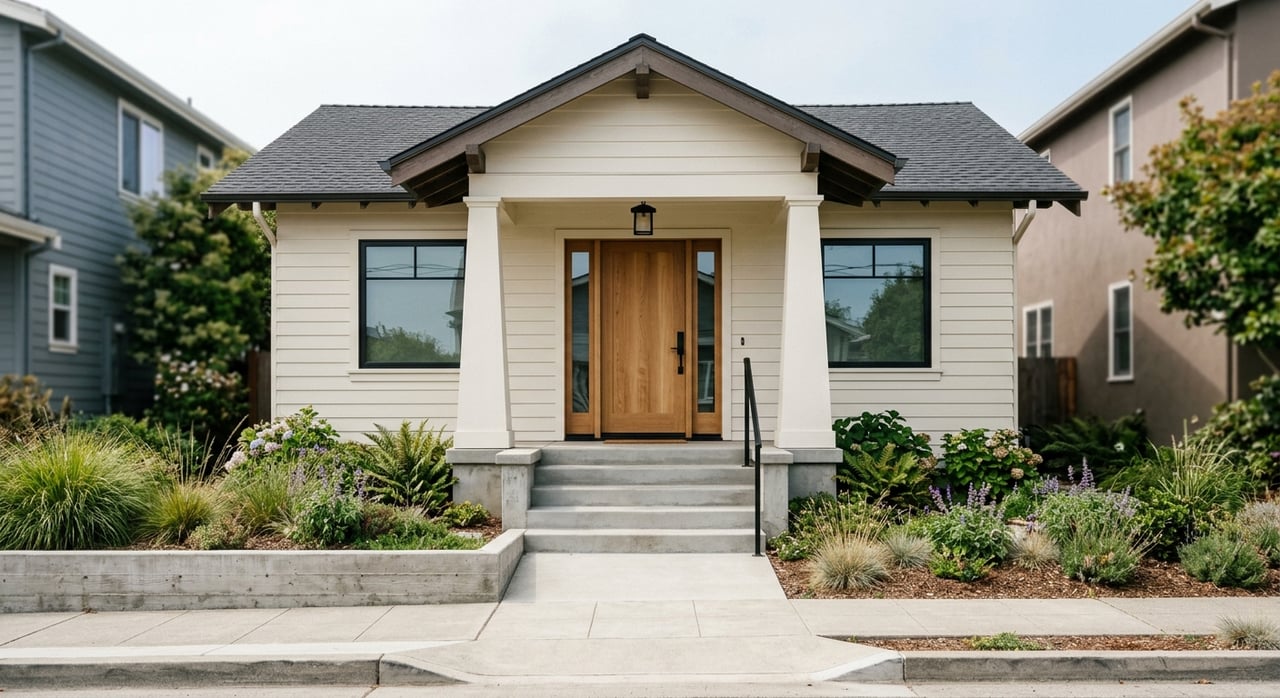
In Alameda, first impressions matter because the market does not always give you a long runway. If buyers are deciding quickly, your home needs to feel ready the moment it hits the market. That means presentation should support the price, not fight against it.
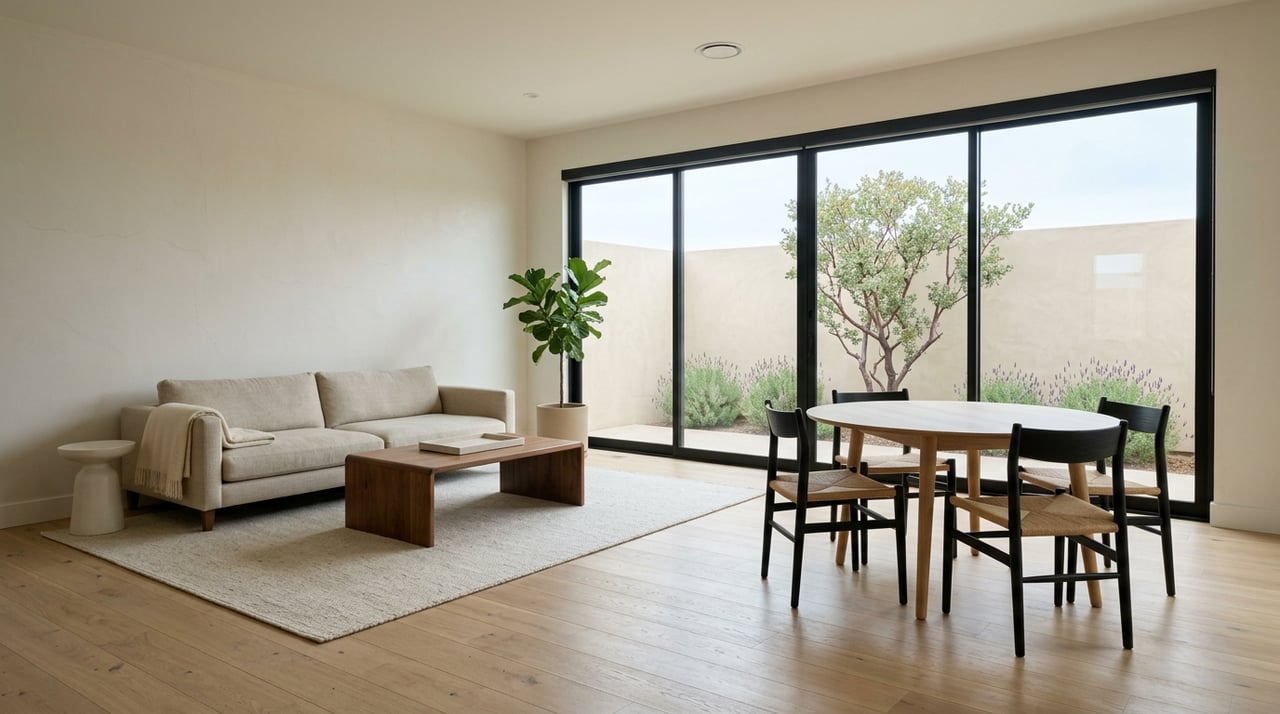
Staging does not mean a major remodel. The research notes that staging is about decluttering and styling, and that 83% of buyers’ agents say it helps buyers visualize the home. For you, that can mean cleaner sightlines, lighter rooms, simpler furniture placement, and a more polished overall feel.
Professional photography and thoughtful MLS marketing also matter. The research report notes that MLS exposure usually provides the broadest reach, and that the first open house the weekend after going live can help maximize attention. In a short marketing window, those launch decisions can shape the entire sale.
Handle disclosures before buyers ask
One of the best ways to sell with confidence is to get ahead of disclosures early. In California single-family sales, several core disclosures are required and not optional. Civil Code 1102 covers the Transfer Disclosure Statement, and Civil Code 1103 covers natural-hazard disclosures.
If your home was built before 1978, lead-based paint disclosure rules also apply. In addition, for single-family sales closing on or after January 1, 2026, California requires written disclosure of known state or local restrictions on future replacement of gas-powered appliances. This is the kind of detail that can surprise sellers if they wait until they are already under contract.
A smooth sale often depends on preparing these items before your listing goes live. Early disclosure prep can reduce delays, lower the risk of renegotiation, and help buyers feel more comfortable making strong offers.
Check Alameda permit and property records
In Alameda, permit history can be especially important. The city says permit records after 1995 can be searched in the Permit Portal by address or parcel, and older records are available through historical archives. This matters because buyers may ask whether additions, renovations, or systems work were properly permitted.
It also matters because Alameda has more than 10,000 buildings built before 1930. Some historic properties may require a Certificate of Approval before alterations or demolition. If your home has older improvements or unique property features, it is wise to confirm what is on record before your home hits the market.
If your property is in a Special Flood Hazard Area, the city says flood insurance may be required. That is another issue worth identifying early so you can answer buyer questions clearly and avoid last-minute surprises.
Be careful if the property was rented
If your Alameda property has been rented, your prep list may be more detailed than you expect. The city’s Rent Program expects sellers to disclose the rent ordinance in the disclosure package even if the property is not currently a rental. It also expects rental history going back to October 1, 2015, along with notices of rent increases and tenancy terminations.
The city also warns that a new owner may inherit prior rent ordinance violations. That means incomplete records can create real risk during a sale. If your home has any rental history, gathering these documents early is one of the smartest steps you can take.
You should also be careful with rent-back agreements. According to the city, post-closing occupancy arrangements can create tenancy rights, so they need to be handled with caution. If you need extra time after closing, that planning should happen early and with clear terms.
Know your transfer tax costs
Confidence also comes from knowing your net proceeds. Many sellers focus on sale price but forget to account for closing costs that affect the bottom line. One important item in Alameda is documentary transfer tax.
Based on the research report, Alameda County charges $0.55 per $500, and the City of Alameda adds $12 per $1,000 of full value. Combined, that works out to about $13.10 per $1,000 of sale value. If you are planning your next move, estimating this cost up front can help you make better decisions about pricing, repairs, and timing.
Follow a smart pre-list timeline
Selling with confidence is easier when you break the process into steps. A simple timeline can help you stay organized and reduce the chance of rushed decisions.
Six to eight weeks before listing
Start with the foundation work:
- Review neighborhood comps
- Pull permit history
- Identify any flood, historic, or rental-document issues
- Decide whether any repairs or updates need permits
- Request missing rental records if the property was ever rented
This stage is about spotting problems while you still have time to solve them.
Three to four weeks before listing
Shift into presentation mode:
- Finish repairs
- Deep clean the home
- Declutter each room
- Stage key spaces
The research report notes that being market-ready at least two weeks before showings is a smart benchmark. That cushion can make launch week feel much more manageable.
One to two weeks before listing
Now finalize your market strategy:
- Set the list price
- Complete professional photos
- Write MLS marketing copy
- Confirm the open house schedule
This is where pricing and presentation need to line up. A polished launch tends to perform better than a rushed one.
Launch week
Once the home is live, focus on response and feedback:
- Monitor showing activity
- Review buyer feedback
- Compare offers by both price and terms
- Revisit strategy if the home sits too long
The research provided notes that if a home sits more than 30 days without an offer, sellers should be willing to revisit price. Confidence is not being stubborn. It is being informed and responsive.
What confident selling looks like
Selling a home in Alameda with confidence means more than putting a sign in the yard and hoping for the best. It means understanding this specific market, preparing the right disclosures, checking property records, and creating a launch plan that reflects how buyers actually behave. When the details are handled early, you are in a much better position to negotiate from strength.
If you want a calm, local, detail-focused approach to your Alameda sale, Raymond Rosales can help you map out the smartest next steps for timing, prep, pricing, and launch.
FAQs
What is the Alameda housing market like for sellers in 2026?
- Alameda is still competitive, with spring 2026 data showing homes selling quickly, averaging about 2 offers, and often closing above list price based on the research report.
What disclosures are required when selling a single-family home in Alameda?
- California requires a Transfer Disclosure Statement, natural-hazard disclosures, lead-based paint disclosure for homes built before 1978, and for certain 2026 closings, written disclosure of known restrictions on future replacement of gas-powered appliances.
Why should Alameda sellers check permit history before listing?
- Permit history can help you confirm past work, prepare for buyer questions, and identify issues tied to older homes, historic review, or unverified improvements.
What should Alameda sellers do if the property was previously rented?
- You should gather rent ordinance disclosures, rental history back to October 1, 2015, and records of rent increases or tenancy terminations because the city says these items may affect the sale.
How much is transfer tax when selling a home in Alameda?
- Based on the research report, the combined Alameda County and City of Alameda transfer tax is about $13.10 per $1,000 of sale value.
How long does it usually take to prepare a home for sale in Alameda?
- A practical timeline from the research report suggests starting about 6 to 8 weeks before listing so you have time for pricing, records review, repairs, cleaning, staging, and launch planning.