Buying your first place in Oakland can feel like choosing between two different futures. Do you stretch for a detached house with more control, or start with a condo or townhome that may fit your budget more comfortably? If you are weighing that exact question, the good news is that Oakland’s numbers make the tradeoffs pretty clear. Let’s dive in.
Oakland price gap is real
If you are a first-time buyer, the biggest difference between a condo and a house in Oakland is usually the price. Bay East’s May 2026 area reports show a median sale price of $1,251,500 for detached single-family homes and $521,000 for attached homes.
That means detached homes sold for about $730,500 more than attached homes in the same broad Oakland-area comparison. Put another way, the detached median was about 2.4 times the attached median, which is a major gap for any first purchase.
That price spread is one reason attached homes often become the more realistic entry point. At the same time, detached homes still matter in Oakland because Bay East reports that 48.1% of Oakland housing stock is detached.
Attached homes include more than condos
Before you compare options, it helps to know what “attached” can mean in Oakland. The city defines a single-family-attached unit as a one-unit structure attached by a common wall, often called a townhouse, half-plex, or row house.
So when you tour homes, the exterior alone may not tell you whether a property is legally a condo, townhouse-style unit, or part of a larger HOA structure. That matters because ownership rules, monthly costs, and financing details can differ even when two homes look similar.
Why condos work for many first buyers
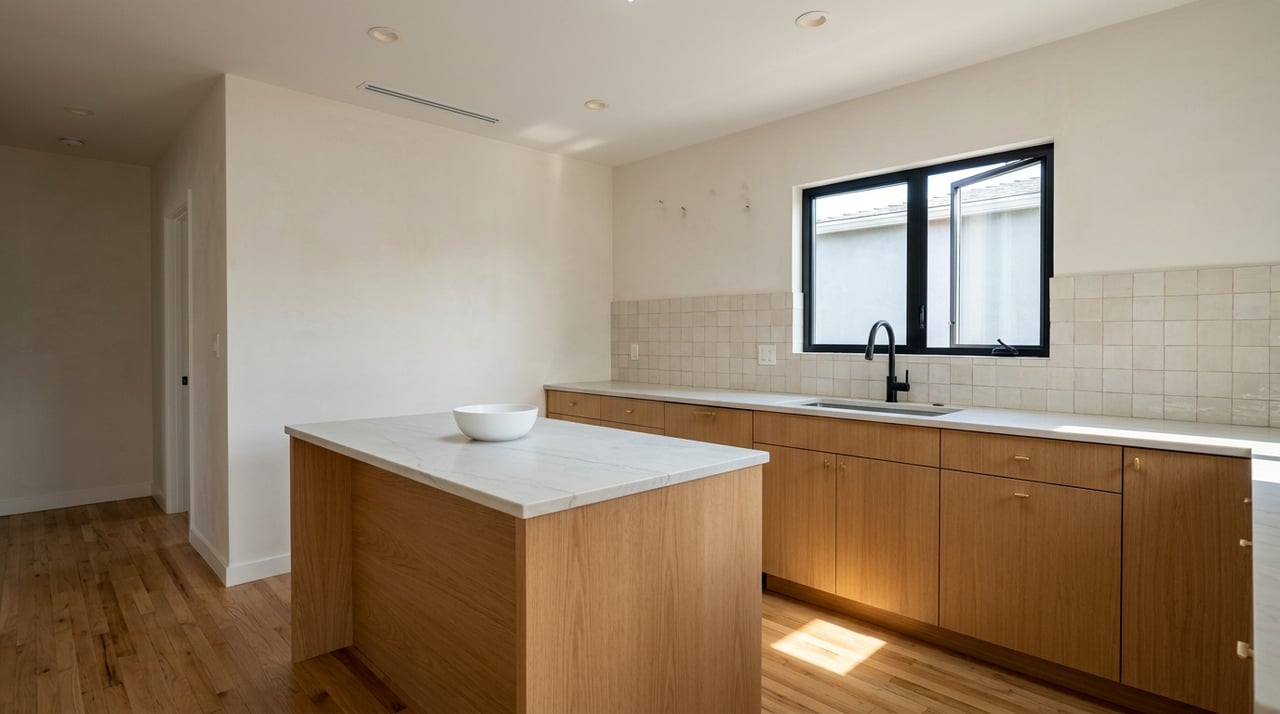
For many first-time buyers, condos are the most accessible starting point in Oakland’s attached market. They usually offer the lowest entry price and can be a strong fit if you want homeownership with less day-to-day upkeep.
A condo can also fit a lifestyle where location matters as much as square footage. If you want to stay close to transit, mixed-use districts, or more walkable parts of Oakland, attached housing often gives you more options.
Lower maintenance, but not lower responsibility
One of the main benefits of condo living is shared maintenance. Fannie Mae notes that condo fees typically help cover general repairs and maintenance for building exteriors and common areas.
That can make ownership feel more manageable, especially if you do not want to handle every exterior issue yourself. But shared maintenance is not the same as no maintenance, and it comes with its own risks.
HOA dues matter more than many buyers expect
The CFPB notes that HOA dues are usually paid separately from the mortgage and can range from a few hundred dollars to more than $1,000 per month. That means a condo with a lower purchase price may still have a monthly cost that feels higher than expected once dues are added in.
You should look at the full monthly picture, not just the listing price. A lower price can help with your down payment and loan size, but dues still affect your comfort level month to month.
Condo financing can be more layered
Condos can also come with extra underwriting and project review issues. Fannie Mae notes that condo owners share financial responsibility for common areas and amenities, and deferred maintenance or critical repairs can affect a project’s safety, soundness, or habitability.
For you, that means the building itself matters almost as much as the unit. A great floor plan in a weak HOA can create headaches later, so this is one area where careful review is important.
Where condos and attached homes cluster in Oakland
Oakland’s planning documents point to several higher-density, mixed-use, and transit-oriented districts where attached housing is more common. These include Downtown Oakland, Jack London, the Lake Merritt area, West Oakland, and Broadway Valdez.
The city’s planning framework describes these places as areas focused on growth, mixed uses, and transit access. In practical terms, that means if your priorities are walkability, easier transit access, and lower-maintenance ownership, these parts of Oakland may deserve a closer look.
When a townhome is the middle ground
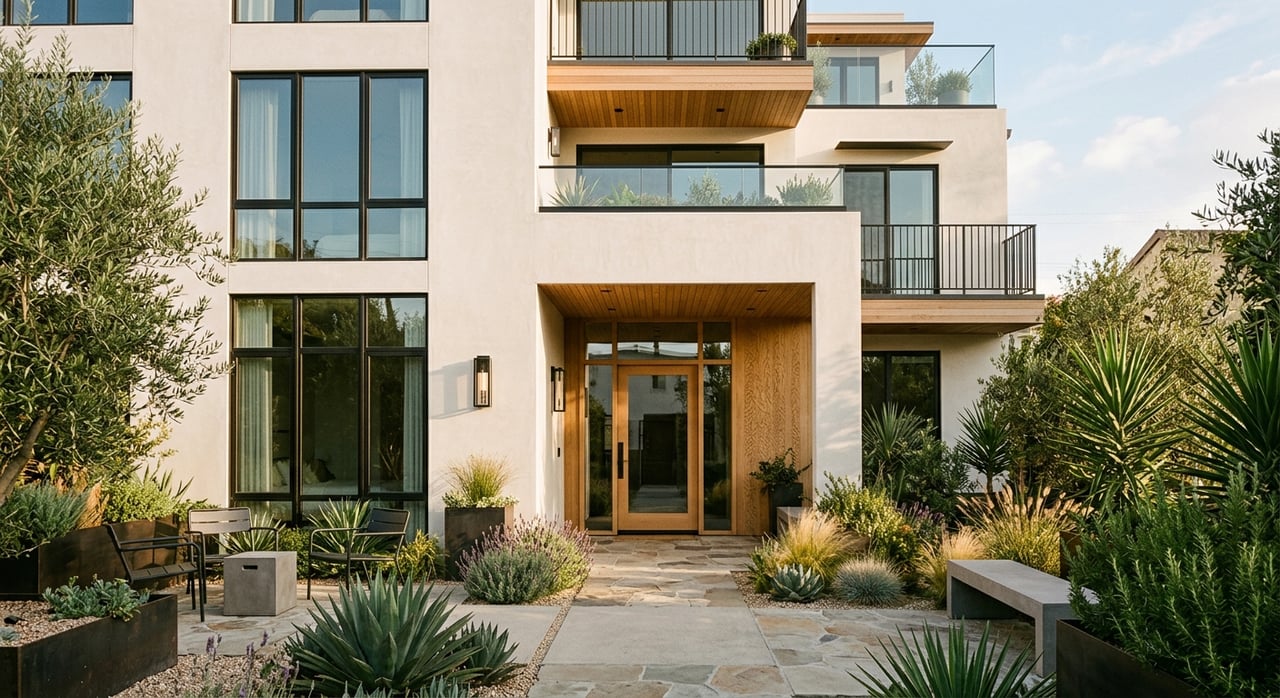
If you want something more house-like than a typical condo, a townhome can be a smart middle option. In Oakland planning terms, townhouses are single-family-attached units, which often means more privacy or a more traditional layout while still sharing a wall.
For many buyers, that layout feels like a good compromise. You may get multiple levels, a more defined entry, and a more home-like feel without jumping all the way to detached-home pricing.
Townhomes can still include HOA oversight
Even if a townhome feels more like a house, it often still comes with HOA governance and shared responsibilities. Fannie Mae notes that HOA boards maintain common areas and set community rules, so the quality of the association still affects your ownership experience.
That means you should review the HOA with the same care you would in a condo building. Monthly dues, reserve health, rules, and maintenance history all still matter.
Townhome pricing is harder to isolate
One Oakland-specific challenge is that public local data often combines condos and townhomes into the broader attached segment. Bay East’s attached report does not break out townhomes alone, so townhome-only pricing often requires a separate MLS review or listing-by-listing analysis.
That is worth knowing because you may need a more custom search to compare true apples to apples. A broad attached-home median is helpful, but it does not always tell the full townhome story.
Why some first buyers still choose a house
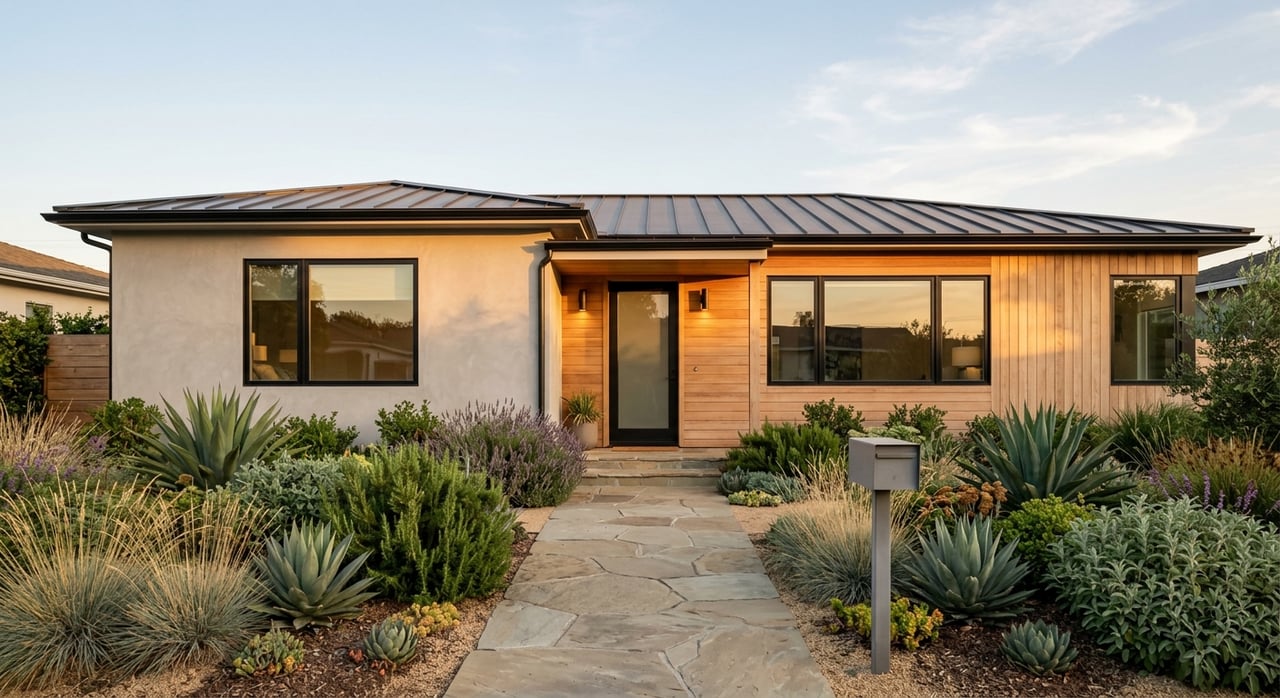
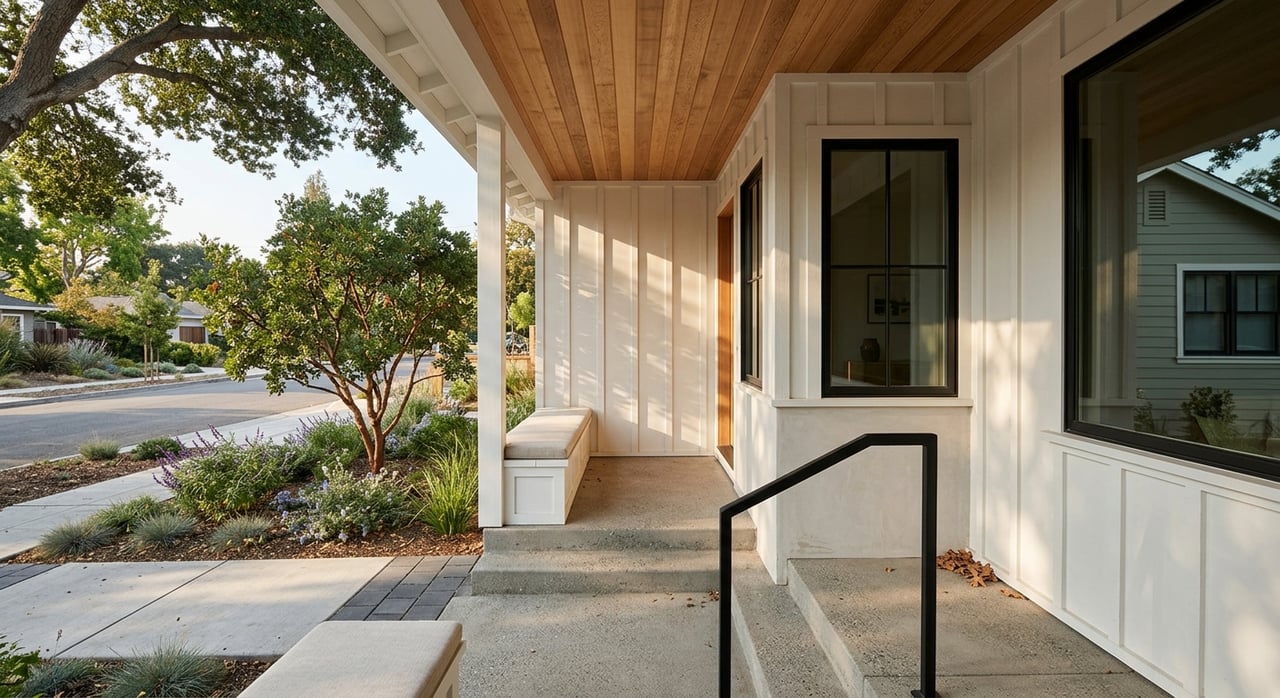
Detached homes are the most expensive option in this Oakland comparison, but they offer the most autonomy. If you want more control over the property, outdoor space, or the ability to make future improvements, a detached house may still be your best long-term fit.
You also take on more responsibility. In a detached house, you are generally responsible for the whole property, which means more upkeep, more systems to manage, and more repair planning.
More control can mean more flexibility
For some buyers, the biggest value in a detached home is flexibility over time. Oakland notes that many single-family lots can support ADUs, and SB-9 can allow two residential units or a parcel subdivision on eligible single-family lots.
That does not mean every property will qualify, but it does mean some detached homes may offer future options that attached homes usually do not. If you are thinking beyond your first few years, that added flexibility can matter.
Detached homes move faster
Oakland-area detached homes have not just been pricier. They have also been more competitive. Bay East’s May 2026 reports show 1.9 months of inventory and 22 days on market for detached homes, compared with 4.4 months of inventory and 42 days on market for attached homes.
Detached buyers also paid 120% of list price on average, compared with 102% for attached homes. For you, that suggests the detached market may require faster decision-making and more room in your strategy.
Where detached homes are more common
Detached homes are more associated with Oakland’s predominantly residential and hillside areas than with the densest core districts. The city notes that many neighborhoods outside Downtown and industrial areas are residential, with some leaning more strongly toward one housing type than another.
Oakland also uses hillside-residential zoning language for areas primarily characterized by detached, single-unit structures, including portions of the Oakland Hills. If your goal is more separation, more lot control, or a traditional single-house setup, those areas may align better with what you want.
Compare the monthly payment, not just the price
This is one of the biggest first-time buyer mistakes: comparing homes by sticker price alone. To make a smart decision, compare the total monthly cost of each option.
Your monthly cost should include:
- Mortgage principal and interest
- Property taxes
- Homeowners insurance
- HOA dues, if any
- A maintenance reserve
That last item matters for every property type. Fannie Mae recommends factoring maintenance into your budget because repairs get more expensive when they are deferred.
A simple way to choose
If you are stuck between a condo and a house, start with your top priority. In Oakland, the best choice often becomes clearer once you decide what matters most right now.
Choose a condo or attached home if you want:
- The lowest likely entry price
- Less exterior maintenance
- A location in a denser, transit-oriented area
- More breathing room between your budget and the purchase price
Choose a townhome if you want:
- A more house-like layout
- Some privacy with some shared-maintenance convenience
- A middle ground between condo living and detached ownership
Choose a detached house if you want:
- More control over the property
- Yard or outdoor space
- More long-term flexibility for improvements
- Potential future options such as ADU-related possibilities on eligible lots
First-time buyer help can apply to more than houses
If you need help getting into the market, it is worth knowing that Oakland’s CalHome program is not limited to detached homes. Eligible property types include owner-occupied or vacant single-family dwellings, including detached homes, condos, townhomes, and live-work units.
That matters because buyer assistance conversations sometimes get framed too narrowly. In Oakland, your first-home strategy can include several property types, not just one.
The right first purchase is the one you can hold confidently
Your first Oakland home does not need to be your forever home. It needs to match your budget, your lifestyle, and your ability to carry the monthly cost without feeling stretched past your comfort zone.
For some buyers, that means starting with a condo in a transit-oriented part of Oakland and building equity over time. For others, it means waiting, saving longer, and pursuing a detached home for the extra control and flexibility.
The smartest move is not chasing a property type because it sounds ideal on paper. It is choosing the one that fits how you actually want to live now, while keeping your next few years financially sustainable.
If you want help comparing Oakland condos, townhomes, and houses in plain English, Raymond Rosales can help you map the tradeoffs, run realistic numbers, and build a first-time buyer plan that fits your goals.
FAQs
What is the price difference between condos and houses in Oakland?
- Bay East’s May 2026 Oakland-area reports show a median sale price of $521,000 for attached homes and $1,251,500 for detached single-family homes, a difference of about $730,500.
Are townhomes and condos the same in Oakland?
- Not always. Oakland defines single-family-attached housing to include townhouses, half-plexes, and row houses, so a home may look similar from the outside while having different legal ownership or HOA structures.
Why do Oakland condos sometimes feel more affordable than houses?
- Condos usually have a lower purchase price, but you still need to factor in HOA dues, insurance, taxes, mortgage costs, and a maintenance reserve when comparing the true monthly payment.
Are detached homes more competitive than condos in Oakland?
- Based on Bay East’s May 2026 reports, yes. Detached homes had lower inventory, fewer days on market, and a higher average sale-to-list-price ratio than attached homes.
Where are condos and attached homes more common in Oakland?
- Oakland planning documents point to denser, mixed-use, transit-oriented areas such as Downtown Oakland, Jack London, the Lake Merritt area, West Oakland, and Broadway Valdez.
Can first-time buyer assistance in Oakland be used for condos or townhomes?
- Yes. Oakland’s CalHome program lists eligible properties that include detached homes, condos, townhomes, and live-work units, subject to program rules and eligibility.