If you are trying to figure out where you might actually enjoy living in Berkeley, the answer usually comes down to one thing: how you want your days to feel. In a compact city like Berkeley, a few blocks can change your routine in a big way, from quiet park access to busy transit corridors and café-lined streets. This guide will help you compare the everyday rhythm of different Berkeley neighborhoods so you can narrow in on the areas that fit your lifestyle. Let’s dive in.
Why Berkeley Feels So Different Block to Block
Berkeley is easy to move through, with walkable neighborhoods and public transportation options that shape daily life in a real way. But the city does not feel uniform from one end to the other.
A lot of that comes down to corridor type and topography. Some areas are built around BART stations, major streets, and active retail, while others are more tied to parks, hillside streets, or smaller neighborhood business districts.
If you are moving within the East Bay or relocating from another part of the Bay Area, this matters more than the neighborhood name alone. Your commute, weekend habits, errands, and even how noisy or calm your block feels can vary a lot depending on where you land.
Downtown Berkeley and Southside Feel Most Urban
Downtown Berkeley is the city’s most urban core. It is centered around the Downtown Berkeley BART station on Shattuck, with easy access to shops, restaurants, theaters, and the UC Berkeley campus.
If you like being able to step out and have a lot happening around you, Downtown has that energy. Visit Berkeley describes it as a vibrant urban hub, and the arts district includes places like BAMPFA, Berkeley Rep, Aurora Theatre, the California Jazz Conservatory, Freight & Salvage, and the UC Theatre.
Just next to Downtown, UC Berkeley and the Telegraph Southside area add a different kind of daily motion. The campus itself covers 178 acres and includes landscaped grounds, historic architecture, redwood forests, and walking paths that connect to Downtown, North Shattuck, and Telegraph.
Telegraph brings its own street rhythm with bookstores, street vendors, independent merchants, and a long counterculture legacy. In practical terms, this part of Berkeley tends to feel active, social, and closely tied to student, visitor, and transit activity.
Best fit for urban routines
This area may feel right if your day-to-day life depends on:
- BART access
- walking to cafes and restaurants
- arts and entertainment nearby
- easy campus access
- a busier street environment
North Berkeley Feels Park-Linked and Food-Oriented
North Berkeley often feels shaped by two things at once: neighborhood shopping streets and nearby parks. North Shattuck is known for food and independent businesses, while Solano Avenue adds another established retail and service corridor farther north.
North Shattuck is described as the cradle of California cuisine and includes well-known spots like the Cheese Board, Juice Bar Collective, ACCI Gallery, and Chez Panisse. Solano Avenue, Berkeley’s northernmost district, mixes restaurants, retail, services, and annual events like the Solano Stroll.
This part of Berkeley also gets a lot of its character from green space. Live Oak Park offers a community center, courts, playgrounds, and shaded gathering areas, while the Berkeley Rose Garden, Codornices Park, and Indian Rock Park add hillside trails, views, and outdoor hangout spots.
Because of that combination, North Berkeley can feel more rooted in local routines than in through-traffic. You may spend your weekends grabbing coffee, running errands on foot, stopping by a park, and staying closer to your immediate neighborhood.
North Berkeley daily-life highlights
- North Berkeley BART access
- connection to the Ohlone Greenway
- food-centered retail streets
- hillside parks and bay views
- quieter residential streets near parks
Elmwood Feels Compact and Convenient
Elmwood has one of Berkeley’s most recognizable neighborhood retail streets. It is described as the city’s oldest commercial district, with a compact two-block shopping and dining area that includes independently owned boutiques, cafes, restaurants, and the Rialto Cinemas Elmwood.
That smaller scale is a big part of the appeal. Elmwood often feels less intense than Downtown or Telegraph, while still giving you a very walkable routine for coffee, dinner, errands, or a movie.
College Avenue also functions as a practical transit corridor. AC Transit Route 51B runs from Rockridge BART to Berkeley Marina through College Avenue, Bancroft and Durant, Shattuck, Downtown Berkeley, and University Avenue, while Route 27 also runs through College and Ashby on its Berkeley path.
For many buyers, Elmwood stands out because it feels established, navigable, and easy to use day to day. It tends to appeal to people who want neighborhood character without needing the pace of the city’s busiest core.
West Berkeley Feels More Open and Industrial-Creative
West Berkeley has a different mood from the central and hillside parts of the city. It blends industrial history, creative commercial spaces, shopping districts, and access to the waterfront.
Fourth Street is one of the best-known destinations here, with wide leafy sidewalks, street-scaled architecture, artisan retail, and frequent events. The Gilman District adds a mix of artist studios, warehouses, residences, craft-focused businesses, and outlet shopping.
The waterfront changes the feel again. The Berkeley Waterfront and Bay Trail bring in open space, Bay views, walking, and watersports, which can make daily life here feel more spacious and outdoors-oriented than in Berkeley’s denser interior neighborhoods.
This part of the city may work well for you if your ideal routine includes browsing shops, being near design-oriented commercial areas, or spending free time near the water. It can feel less traditionally residential in some sections, but more flexible and visually varied.
University Avenue Feels Functional and Everyday
University Avenue is Berkeley’s main east-west artery, stretching from the Bay to the entrance to UC Berkeley. More than a boutique district, it works as a major connector across the city.
That makes daily life here feel practical and active. You are often close to a wide range of businesses, services, and transit connections, and the corridor carries a steady flow of movement throughout the day.
Where University crosses San Pablo, the area includes a concentration of cultural and ethnic businesses that gives the corridor a distinctly mixed, everyday character. If you value access and convenience over a polished district feel, this stretch may feel more useful than picturesque.
South Berkeley and Lorin Feel Local and Transit-Friendly
South Berkeley is anchored by the Lorin District, one of Berkeley’s oldest commercial districts. Visit Berkeley describes it as artistic, diverse, and transit-accessible, and that shows up clearly in the area’s day-to-day pattern.
Lorin includes the South Berkeley Farmers Market, arts venues such as Shotgun Players and the Berkeley Black Repertory Theater, and easy access to Ashby BART. Ashby station sits at Ashby Avenue and Adeline Street and still hosts the Berkeley Flea Market on weekends.
That gives the area a distinctly local rhythm. Weekdays can feel grounded in transit and neighborhood errands, while weekends often have a market-centered, community-driven energy that is different from Berkeley’s more visitor-focused districts.
Why buyers often like South Berkeley
- Ashby BART access
- a strong weekend market rhythm
- established commercial history
- arts and cultural venues nearby
- a lived-in neighborhood feel
What Housing Styles You Might See
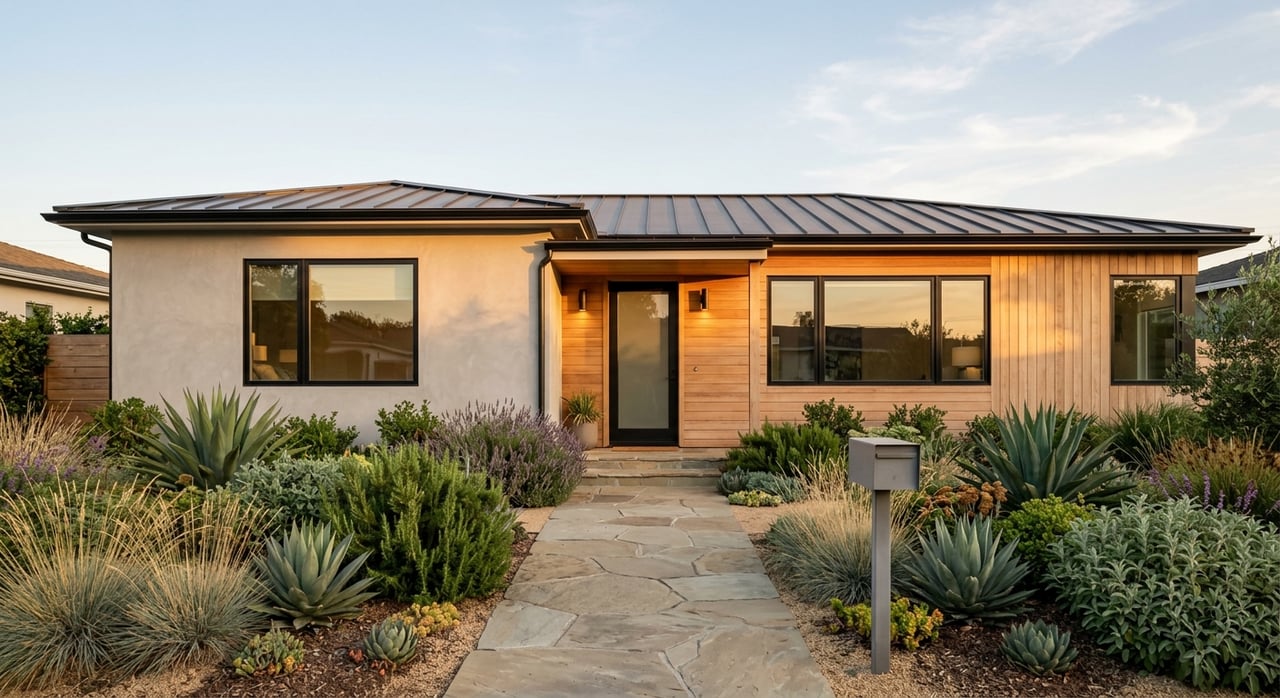
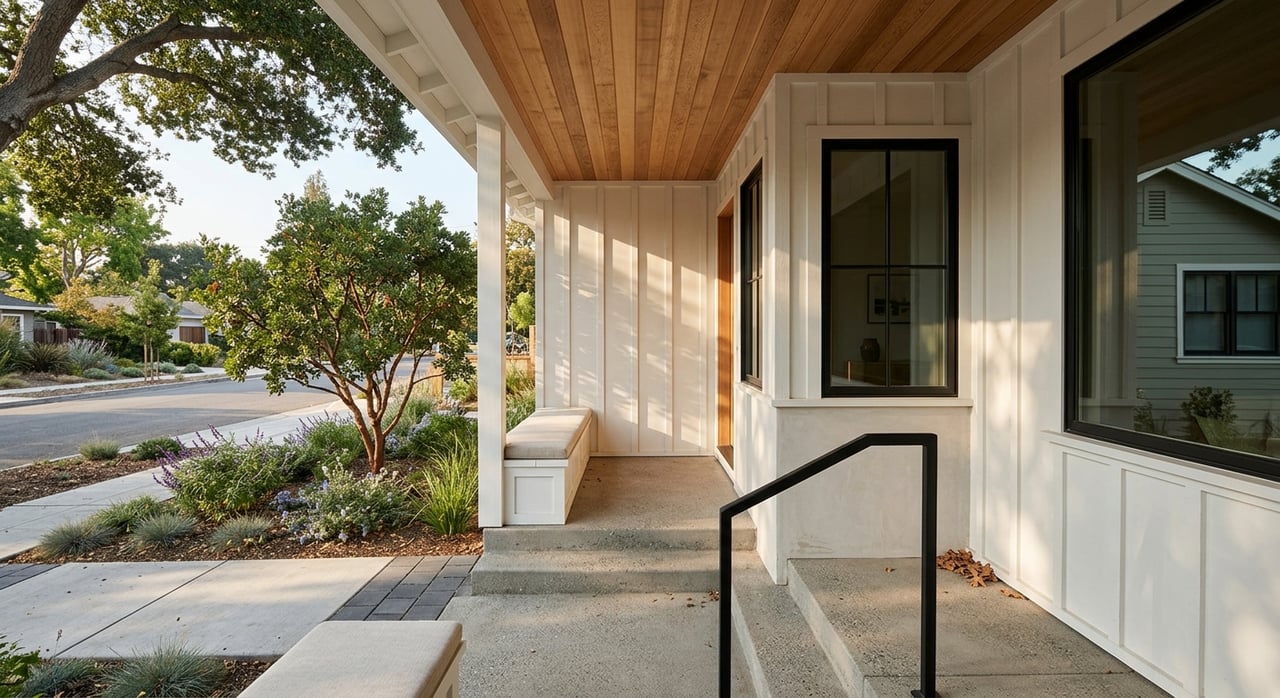
Berkeley’s housing stock is layered and varied for a relatively compact city. Historic buildings cluster in Downtown and on the UC Berkeley campus, while residential areas include everything from older Victorians and Craftsman bungalows to small apartment buildings and newer infill housing.
That mix is important when you are comparing neighborhoods. In one part of Berkeley, you may find a smaller-lot bungalow near a park, while another area may offer a condo, a small multifamily building, or a newer housing type near transit and retail.
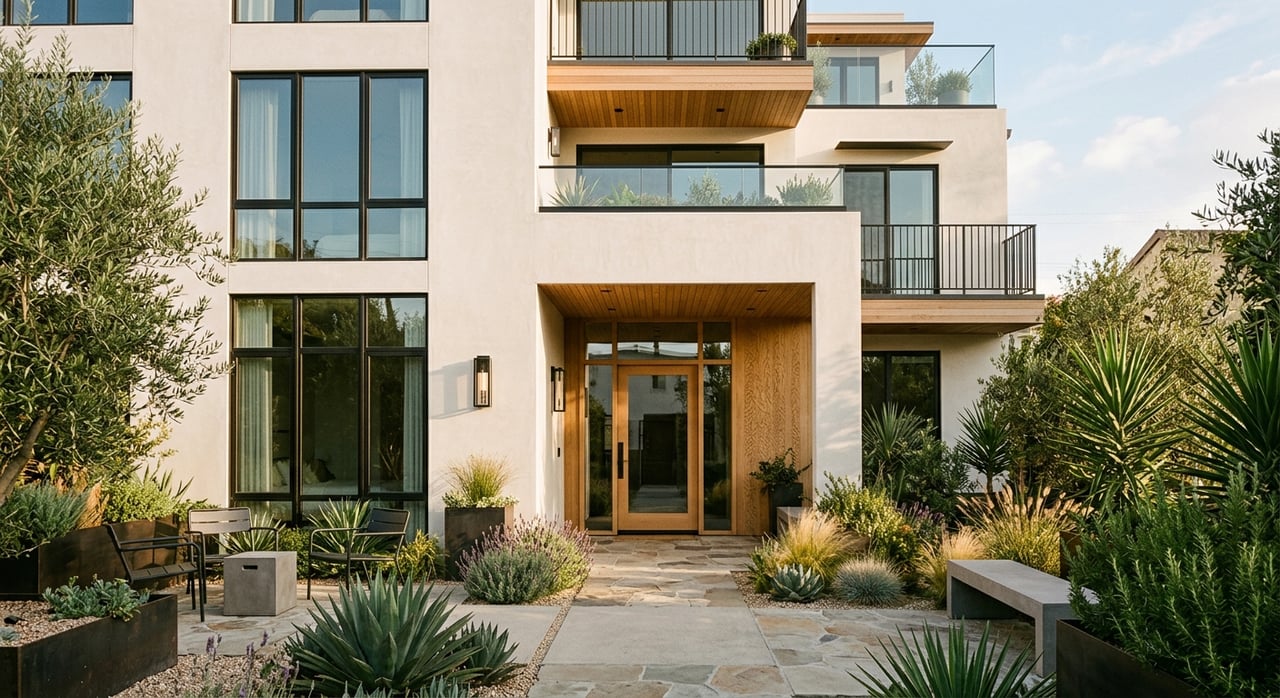
The city’s middle-housing rules, effective November 1, 2025, encourage duplexes, triplexes, fourplexes, courtyard apartments, and other small-scale multifamily forms in many neighborhoods near transit and amenities. That includes areas around Downtown, Elmwood, Fourth Street, North Shattuck, Solano, Telegraph, Lorin, West Berkeley, San Pablo Avenue, and University Avenue.
For buyers, that means Berkeley is not just one home style or one neighborhood pattern. It is a city where housing options and daily routines often overlap in useful ways.
How to Choose the Right Berkeley Feel
The best Berkeley neighborhood for you depends less on a ranking and more on how you live. Start by thinking about what you want your normal Tuesday to look like, not just your ideal Saturday.
A few helpful questions to ask yourself:
- Do you want BART to be part of your daily routine?
- Do you prefer a quieter block near parks or a busier street near shops?
- Are weekend errands and dining enough, or do you want a bigger entertainment scene?
- Would you use the waterfront, hillside parks, or greenways regularly?
- Do you want a compact retail district or a more functional corridor?
In Berkeley, those answers can quickly point you toward the right area. Downtown, Telegraph, and parts of University Avenue tend to feel more urban, while North Berkeley park areas and parts of Elmwood often feel more residential in daily use.
If you are comparing Berkeley with nearby East Bay options, this is where local context really helps. A neighborhood that looks similar on a map can feel very different once you factor in transit, terrain, business corridors, and weekend patterns.
If you want help translating Berkeley block by block, planning a move, or comparing East Bay neighborhoods in a practical way, Raymond Rosales can help you map out the smartest next steps.
FAQs
Which Berkeley neighborhoods feel the most urban for daily life?
- Downtown Berkeley, UC Berkeley Southside, Telegraph, and University Avenue generally feel the most urban because they combine dense commercial activity, strong transit access, and a steady student or visitor presence.
Which Berkeley neighborhoods feel quieter and more residential?
- North Berkeley hillside areas near Live Oak Park, Codornices Park, the Rose Garden, and Indian Rock, along with parts of Elmwood, often feel quieter and more home-oriented than Berkeley’s busiest commercial corridors.
Which Berkeley neighborhoods are best for transit access?
- Downtown Berkeley, North Berkeley, and South Berkeley stand out because they are tied to Downtown Berkeley BART, North Berkeley BART, and Ashby BART, with AC Transit routes also serving corridors like Telegraph, College, Shattuck, Solano, and Ashby.
What is daily life like near Berkeley’s parks and waterfront?
- Areas near Live Oak Park, Codornices Park, the Berkeley Rose Garden, Indian Rock Park, Aquatic Park, and the waterfront tend to support routines built around walking, outdoor time, views, and weekend recreation.
What kinds of homes can you find in Berkeley neighborhoods?
- Berkeley includes a wide mix of housing, including Victorians, Craftsman bungalows, small apartment buildings, newer infill, and, in many transit- and amenity-rich areas, middle-housing types such as duplexes, triplexes, fourplexes, and courtyard apartments.