Looking for island calm without leaving the East Bay? Alameda gives you shoreline sunsets, walkable main streets, and multiple ways to reach San Francisco and Oakland, all on a compact, bike-friendly island. If you’re weighing lifestyle, commute, and housing character, you want a clear picture before you start touring. This guide shows you what everyday life looks like here so you can decide with confidence. Let’s dive in.
Alameda at a glance
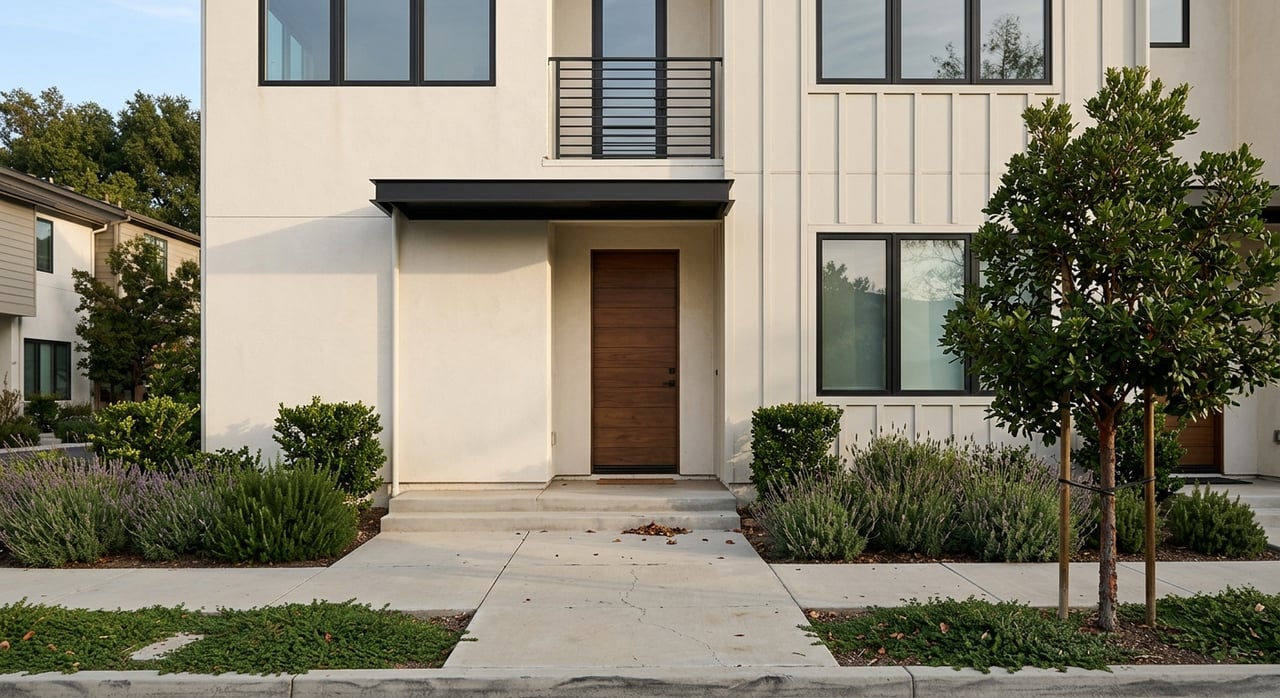
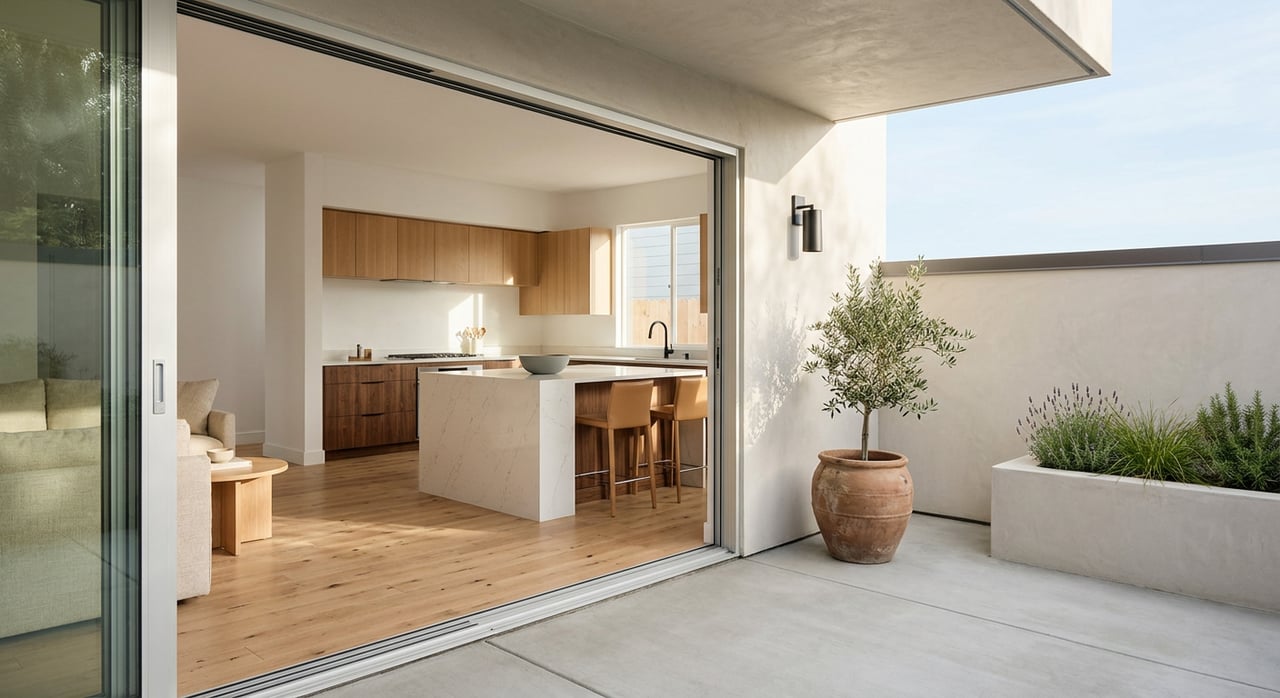
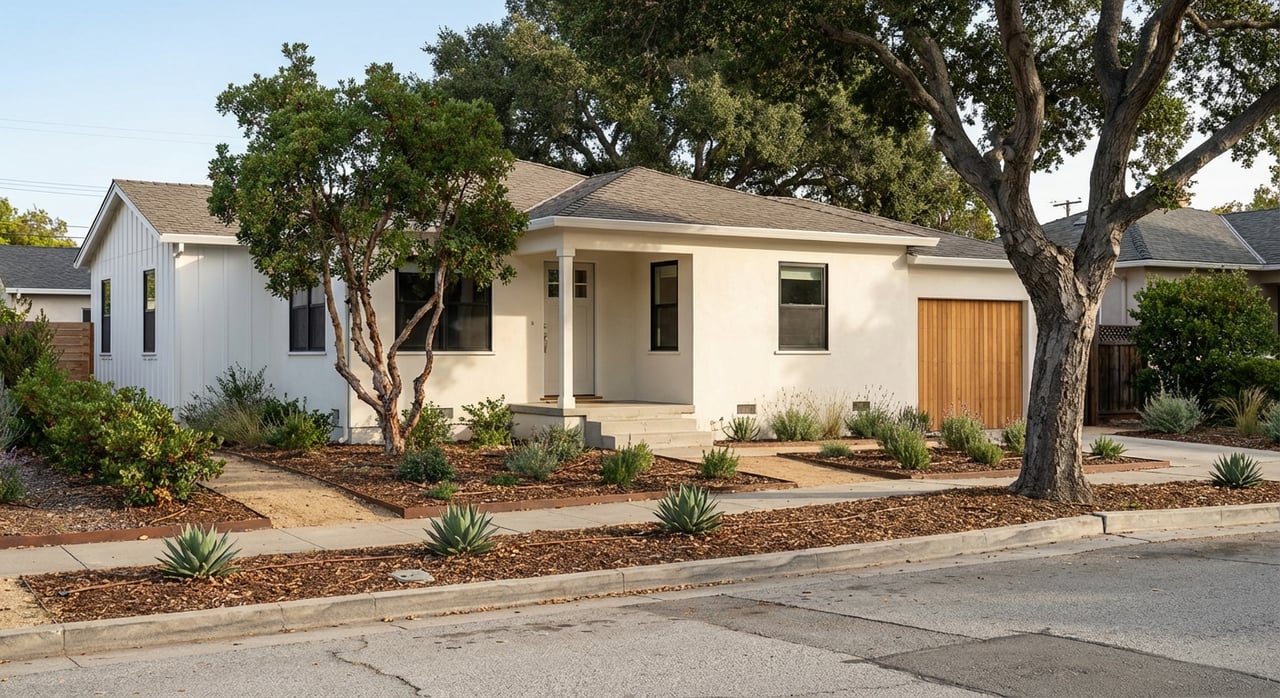
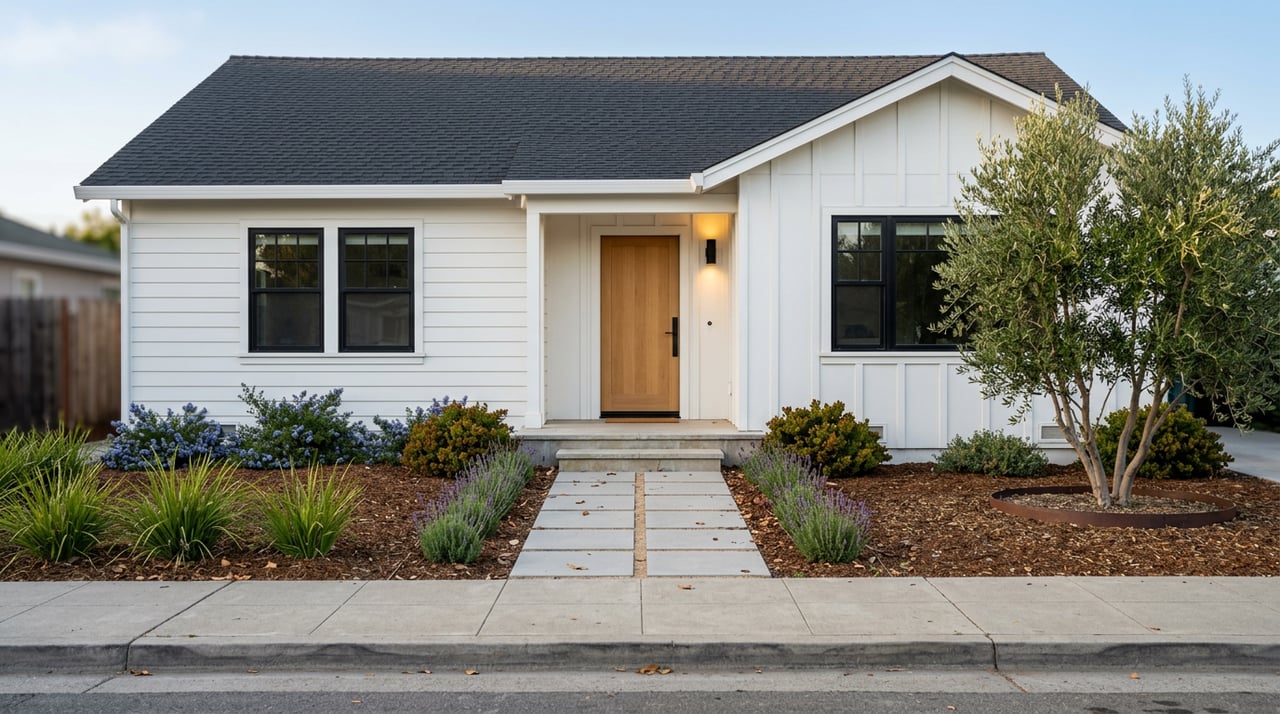
Alameda is a mid-sized island city of about 78–79k residents in the East Bay with a mostly flat layout that makes short walks and bike trips easy in many neighborhoods. You’ll feel a small-city rhythm: tree-lined historic blocks, pocket parks, and a couple of vibrant commercial corridors for daily errands. The housing mix spans late 19th and early 20th century Victorians and Craftsman bungalows, mid-century ranches near the beach, and newer infill and condo communities at Alameda Landing and on parts of Alameda Point. The island’s former Naval Air Station also shapes today’s waterfront redevelopment and big open spaces.
- Population and scale: a comfortable mid-size that still feels neighborly (Census Reporter profile for Alameda).
- Setting: a true island with bridges and tubes to Oakland plus ferry service to San Francisco.
- Vibe: historic charm, coastal views, and a relaxed, practical pace.
Neighborhood feel and housing styles
Historic core and Park Street
If you picture “classic Alameda,” you’re likely thinking of the historic core near Park Street. You’ll see Victorian and Craftsman facades, mature trees, and a walkable main street with cafes, bakeries, markets, and everyday services. At the gateway, the Alameda Marketplace anchors a food-and-goods hub in a renovated building. The city’s Commercial Streets program expanded outdoor dining and sidewalk activity, which helps explain why Park Street feels lively throughout the week.
West End and Webster Street
On the West End, Webster Street offers another pocket of restaurants and convenient retail. Nearby blocks range from historic homes to smaller multifamily buildings. You’re close to shoreline paths and, depending on your exact spot, a quick bike ride to the Main Street ferry terminal.
South Shore and beachside blocks
South Shore shifts more mid-century. You’ll find single-story ranches, some smaller multifamily, and a calmer residential grid close to the sand. Proximity to Crown Beach is a clear draw if you want easy access to the Bay for walks, picnics, and low-tide exploring.
Bay Farm Island
Bay Farm sits at Alameda’s southern edge with a suburban, planned-community feel. Expect newer subdivisions, townhomes, and condos, plus a neighborhood-scale commercial node at Harbor Bay. Commute-minded buyers often notice that Bay Farm also has a weekday Harbor Bay ferry option to San Francisco, which adds convenience if you split time between the city and the East Bay.
Alameda Point evolving
Alameda Point, the former Naval Air Station, is a large redevelopment district where industrial history meets new housing, commercial space, and runway-scale open areas. On the first Sunday of the month, the island hosts the regionally loved Alameda Point Antiques Faire on the old runways. The USS Hornet museum is moored here too, adding a unique cultural anchor and a reminder of the island’s aviation and naval heritage.
Everyday convenience and walkability
Central Alameda concentrates daily errands along Park Street with clusters on Webster. You can grab groceries, pick up a coffee, and handle pharmacy runs within a few blocks. Tools like Walk Score rate many of these central sections highly for walkability.
Move farther from the core or over to Bay Farm and you’ll likely rely more on biking or short drives for errands. The island’s flat terrain, bike lanes, and shoreline paths make two-wheeled trips practical for many residents.
Shoreline, parks, and the Bay Trail
Alameda’s waterfront is a big part of daily life. Crown Memorial State Beach and Crab Cove offer a long sandy shoreline for beach days, picnics, paddle launches, and sunset strolls with views back to San Francisco. The Crab Cove visitor center includes aquarium exhibits and marine education programs that are especially fun if you enjoy learning about local ecology.
Much of the island sits a short walk or bike ride from Bay Trail segments. Redevelopment at Alameda Point continues to emphasize public shoreline access, so you get more water-facing open space over time rather than private beachfront.
Commute options from Alameda
Commuting is often the deciding factor for Bay Area buyers. Alameda gives you real choices so you can match your routine to the day.
Ferries to San Francisco and Oakland
The San Francisco Bay Ferry serves Alameda’s Main Street terminal and Bay Farm’s Harbor Bay terminal with routes to the San Francisco Ferry Building and other city piers. Depending on the line and stops, SF-bound runs are often about 20 to 30 minutes dock to dock. There’s also a weekday 10-minute short-hop between Main Street Alameda and Jack London Square in Oakland that locals use to reach downtown offices or connect to BART. The Main Street terminal has bike parking and short-stay lots, which makes it easy to go car-free.
Transbay buses
If you prefer a one-seat ride across the Bay Bridge, AC Transit runs transbay routes that serve Alameda with boarding points along Park Street, Webster Street, and Bay Farm. The agency has been restoring and improving transbay service to match changing commute patterns, so it pays to check current timetables. See AC Transit’s update on improved transbay service for context.
BART connections
Alameda does not have a BART station. The nearest stations are on the Oakland side, including Fruitvale, Lake Merritt, and 12th St. For BART trips, you’ll typically take an AC Transit bus, drive to a nearby station, or combine the Jack London short-hop with a quick BART transfer. That tradeoff is worth weighing against the ferry’s comfort and predictability.
Driving and bridge realities
Driving is straightforward for regional errands and off-peak trips, though Bay Bridge traffic can be heavy during commute windows. Many residents split modes: ferry on busy days, transbay bus when it fits, and driving for flexible schedules or East Bay destinations.
Who loves Alameda
- You want a walkable, historic main street with real daily convenience.
- You value shoreline access, beach days, and sunset views.
- You split time between SF and the East Bay and like having ferry, bus, and bike options.
- You’re choosing between classic architecture, mid-century layouts, or newer townhomes and condos.
Schools and learning
Alameda Unified School District operates multiple elementary schools, two general high school campuses, and specialty programs on the island. If schools are on your checklist, review current district resources and program details directly with Alameda Unified to understand offerings and enrollment policies.
Final take: is Alameda a fit?
If you want a relaxed coastal feel without losing urban convenience, Alameda delivers. You get historic charm near Park Street, quieter mid-century blocks by the beach, newer options on Bay Farm and Alameda Point, and several commute paths that let you adapt to each day’s plan. The island’s scale, shoreline parks, and local culture make it easy to settle into a routine that balances work and weekend well.
Ready to compare neighborhoods, commute tradeoffs, and home types side by side? Schedule a confidential Bay Area consult with Raymond Rosales. Tell me what you’re trying to achieve, and I’ll map the smartest next steps: timing, neighborhoods, and strategy.
FAQs
Is Alameda walkable for daily errands?
- Central neighborhoods near Park Street and parts of the West End are very walkable for groceries, cafes, and services. Areas farther from the core and on Bay Farm lean more bike or car for errands.
How do Alameda ferries work for SF commutes?
- The San Francisco Bay Ferry runs from Main Street and Harbor Bay to the Ferry Building and other SF piers, often about 20 to 30 minutes depending on route, with a weekday 10-minute hop to Oakland.
Does Alameda have a BART station?
- No. The nearest stations are in Oakland. Residents use AC Transit, drive to BART, or pair the Jack London short-hop with a quick BART transfer.
What is Crown Memorial State Beach like?
- It’s a long sandy shoreline with Bay views, picnic areas, and the Crab Cove visitor center’s aquarium exhibits and programs. It’s a go-to for walks, beach days, and sunsets.
What types of homes will I find in Alameda?
- A mix of historic Victorians and Craftsman bungalows, mid-century ranches near the beach, and newer townhomes and condos at Alameda Landing and parts of Alameda Point.