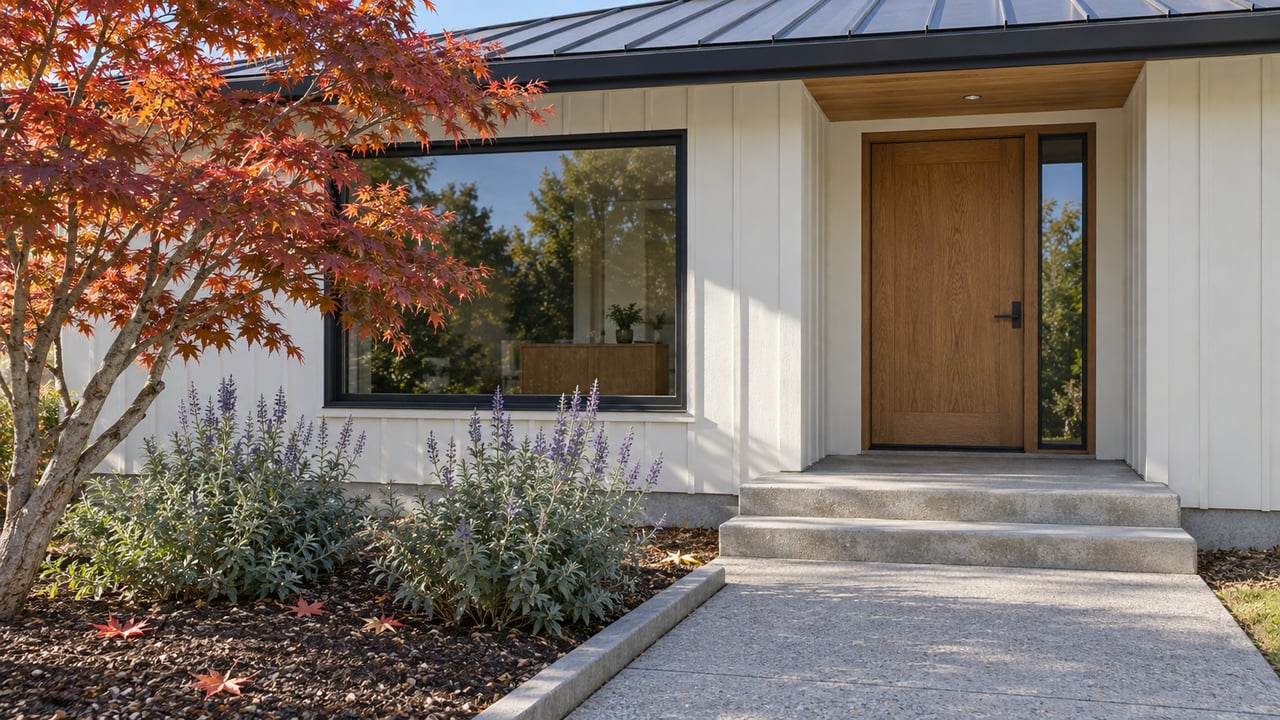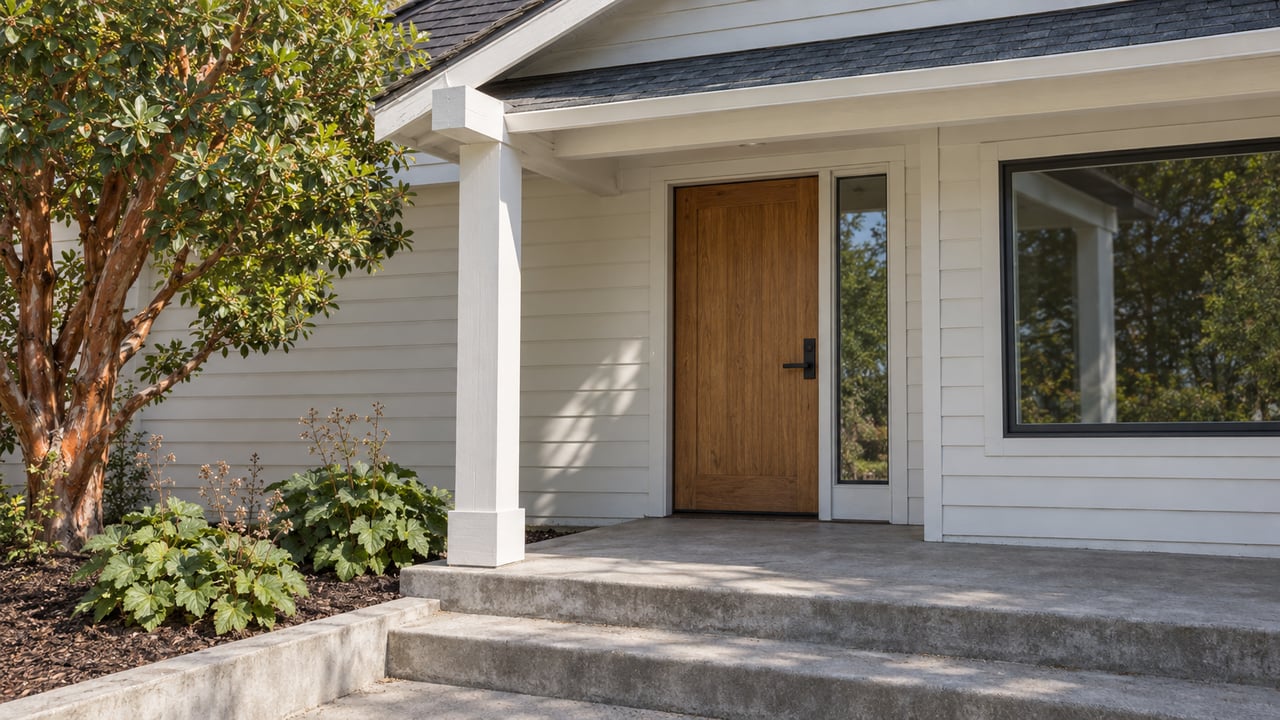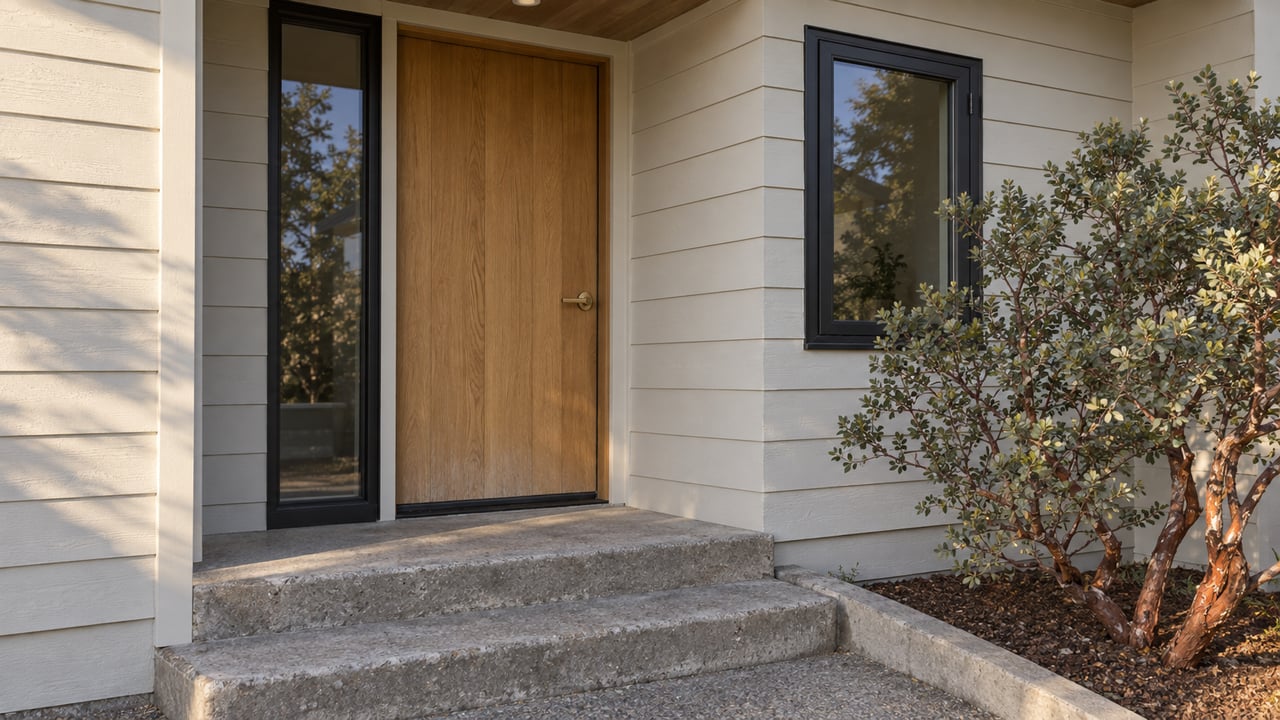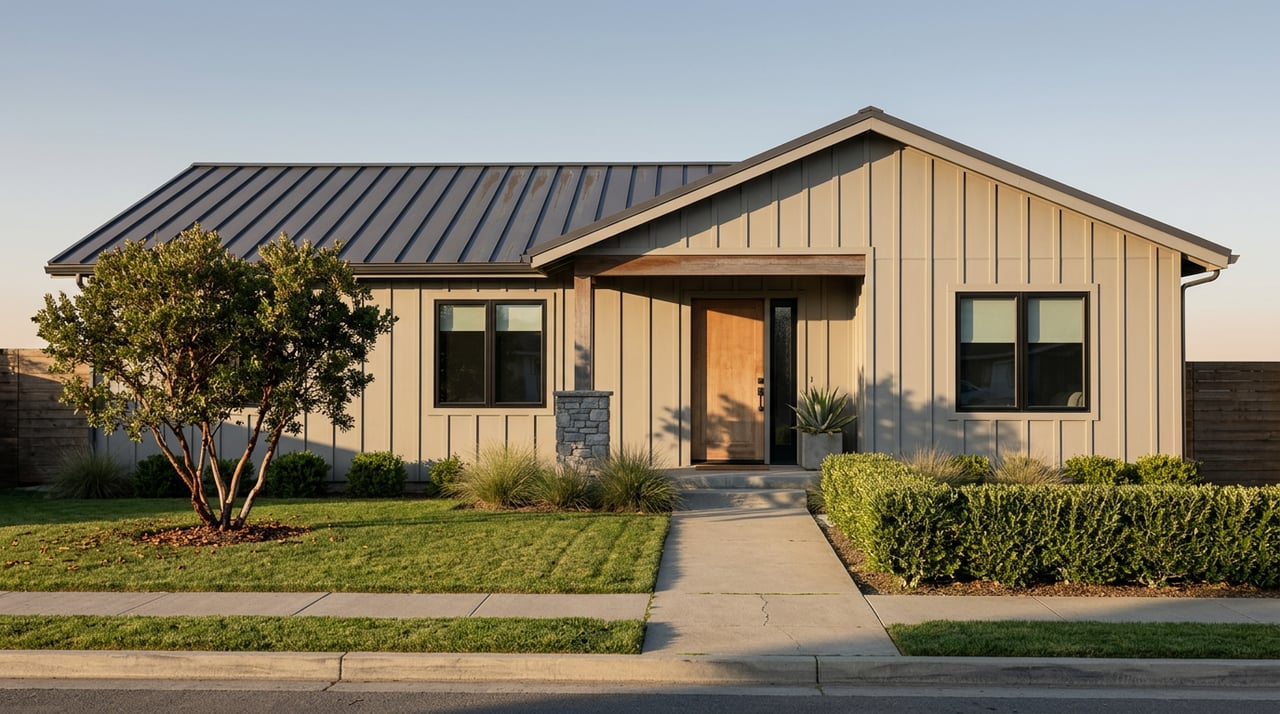
A seller in El Cerrito lists a 1949 bungalow on a Friday. By Monday there are six offers, three of them over asking. The seller picks the strongest one, everyone signs, and the calendar says three weeks to close. Then, in week two, escrow stalls. Not because of the roof, the foundation, or a low appraisal. Because of a pipe nobody has thought about since the house was built, and a certificate the seller didn't know they needed.
That certificate is real, it is required, and in El Cerrito it comes with a wrinkle most generic guides get wrong. If you're selling here, or buying from someone who is, it's worth twenty minutes now to avoid a stalled escrow later.
The certificate isn't optional, and it isn't from the city
The pipe that carries wastewater from a house to the public sewer main in the street is called a private sewer lateral. Under a regional program run by the East Bay Municipal Utility District, selling a home in El Cerrito is one of three events that requires a Compliance Certificate proving that lateral is leak-free. The other two triggers are a remodel permit worth $100,000 or more, and an increase in water meter size. Without a valid certificate, or a formal extension, escrow does not close.
Most East Bay homes in this program's footprint were built before 1950, and El Cerrito is no exception. A lot of that original pipe is still clay, still original, and still capable of cracking at the joints or taking on tree roots over seven decades. That's the whole reason the program exists: cracked laterals let rain and groundwater into the sewer system, which can overwhelm treatment capacity and send partially treated wastewater toward the Bay.
El Cerrito's twist: two agencies, one certificate
Here's where El Cerrito, Kensington, and the Richmond Annex diverge from Oakland, Alameda, and the rest of the EBMUD service area. In those other cities, a seller deals with EBMUD more or less start to finish. In El Cerrito, the process runs through Stege Sanitary District first.
Stege Sanitary District, headquartered at 7500 Schmidt Lane in El Cerrito, issues the sewer permits required for any lateral construction, repair, or replacement in its service area. Wastewater treatment itself is still handled by EBMUD, and it's EBMUD that ultimately issues the Compliance Certificate after a licensed contractor performs a pressure test. So a seller who calls only EBMUD, because that's the name on every generic explainer, can miss the permit step that Stege actually controls. Given that El Cerrito's median days on market has run in the two-to-three-week range through much of 2026 according to multiple market trackers, that's not a paperwork inconvenience. It's a closing date.
What happens if the line fails
If a contractor's camera inspection finds cracks, offset joints, or root intrusion, the lateral needs repair or full replacement before EBMUD will issue a certificate. This is where the fine print actually matters to a seller's timeline and budget. Sewer Master describes two tiers of certificate: a shorter one, often cited around seven years, for a lateral that's been spot-repaired, and a longer one, around twenty years, for a lateral that's been fully replaced using trenchless methods like cured-in-place pipe lining. For an older El Cerrito property with a single original clay run, a full trenchless replacement costs more upfront but can mean the seller's buyer, and whoever buys from that buyer, isn't back in this process within a decade.
If the work can't be finished before the scheduled closing, EBMUD offers a Time Extension Certificate that gives up to six months, or 180 days, to complete it. Getting one requires a refundable deposit of $4,500 held with EBMUD, returned once the work is done and the certificate issued. That number surprises a lot of buyers who assumed the sewer line was someone else's problem once they had keys in hand.
The part that actually saves money: Stege's loan program
Here's a detail that rarely makes it into East Bay plumbing blogs written for a general audience but is directly useful to an El Cerrito seller facing a repair bill: Stege Sanitary District runs a Private Sewer Lateral Replacement Loan Program that lets a property owner borrow up to $10,000, interest-free, to replace their lateral. The loan is repaid over ten years through the annual property tax bill, with no prepayment penalty. For a seller who discovers a failed lateral mid-listing and doesn't want to pull $8,000 or $10,000 out of pocket before closing, that program is worth a phone call to the district before assuming the only options are cash or a price concession.
Who actually pays
EBMUD's own guidance is direct on this point: the agency doesn't care who pays, it just wants a certificate in place before the home closes. With El Cerrito running as a competitive seller's market for much of 2026, homes commonly closing above list price, sellers have some room to hold the line on cost. Most transactions here end up with the seller handling it before close.
An exemption worth knowing if this is a family transfer
Not every change of ownership triggers the certificate requirement. Twin Homebuyer describes direct-line family transfers, meaning between spouses or domestic partners, parent and child, or grandparent and grandchild, as typically exempt from the point-of-sale trigger. Transfers between siblings, aunts, uncles, nieces, nephews, or cousins don't qualify for that exemption. This matters for anyone inheriting a home from a parent and planning to eventually sell it themselves: the exemption applies to that first transfer, but once the home is sold to someone outside the family, the standard rules apply again.
A deadline that already passed, and one still ahead
According to the East Bay Regional Private Sewer Lateral Program guidelines, a compliance deadline tied to this program fell on July 12, 2026, a couple of months before this was written, but it's narrower than it sounds. It applied to parcels or parcel groups with more than 1,000 feet of private sewer lateral, the kind of threshold that mostly touches larger apartment buildings, commercial sites, or campus-style properties rather than a typical single-family lot. Properties that qualify for an extension, generally because more than half their lateral footage needs replacement, get until July 2029 instead. For most El Cerrito sellers this deadline was always background noise. For an investor evaluating a small multifamily building in the neighborhood, it's still worth confirming where that property stands before making an offer.
Why this doesn't follow you to Walnut Creek
If you're comparing El Cerrito to other East Bay cities while house hunting, it helps to know this requirement is not a Bay Area-wide rule. Walnut Creek and the rest of Contra Costa County served by Central San fall outside EBMUD's wastewater service area entirely. Central San requires a permit for lateral repair work, but it does not currently require a point-of-sale compliance certificate the way El Cerrito, Oakland, Alameda, and the Richmond Annex do. A buyer weighing a bungalow in El Cerrito against a similar home in Walnut Creek should know that one of these two comes with an extra step in escrow and the other doesn't. Neither is a reason to rule a city in or out. It's just a real difference in what closing looks like.
A few questions that come up often
Can I check my property's status before I decide to sell? Yes. The East Bay Regional Private Sewer Lateral Program keeps an online property search tool that shows whether a valid certificate already exists for a given address and when it expires.
What if I'm just remodeling, not selling? The certificate is only required for remodels that cross the $100,000 threshold or involve a water meter size change. A smaller kitchen or bath remodel typically doesn't trigger it.
The house is still the thing that sells El Cerrito. But in a market where offers come in within days and escrows close within weeks, the sewer lateral is one of the few things that can slow a fast deal down to a crawl if it's discovered late instead of early. Checking it before you list costs nothing. Finding out about it from a title company mid-escrow costs time you don't have.
If you're weighing a sale in El Cerrito, or comparing it against another East Bay city as a buyer, Raymond Rosales can walk through what's specific to your address before it becomes a surprise in escrow. Schedule a confidential Bay Area consult, tell him what you're trying to achieve, and he'll map the smartest next steps on timing, neighborhoods, and strategy.
This article is general information, not legal, tax or financial advice. Consult a qualified professional about your situation.